Integrierte Fertigungsbasis
Schmelzen, Gießen, Bearbeitung, Prüfung, Verpackung und Exportkoordination für industrielle OEM-Projekte.
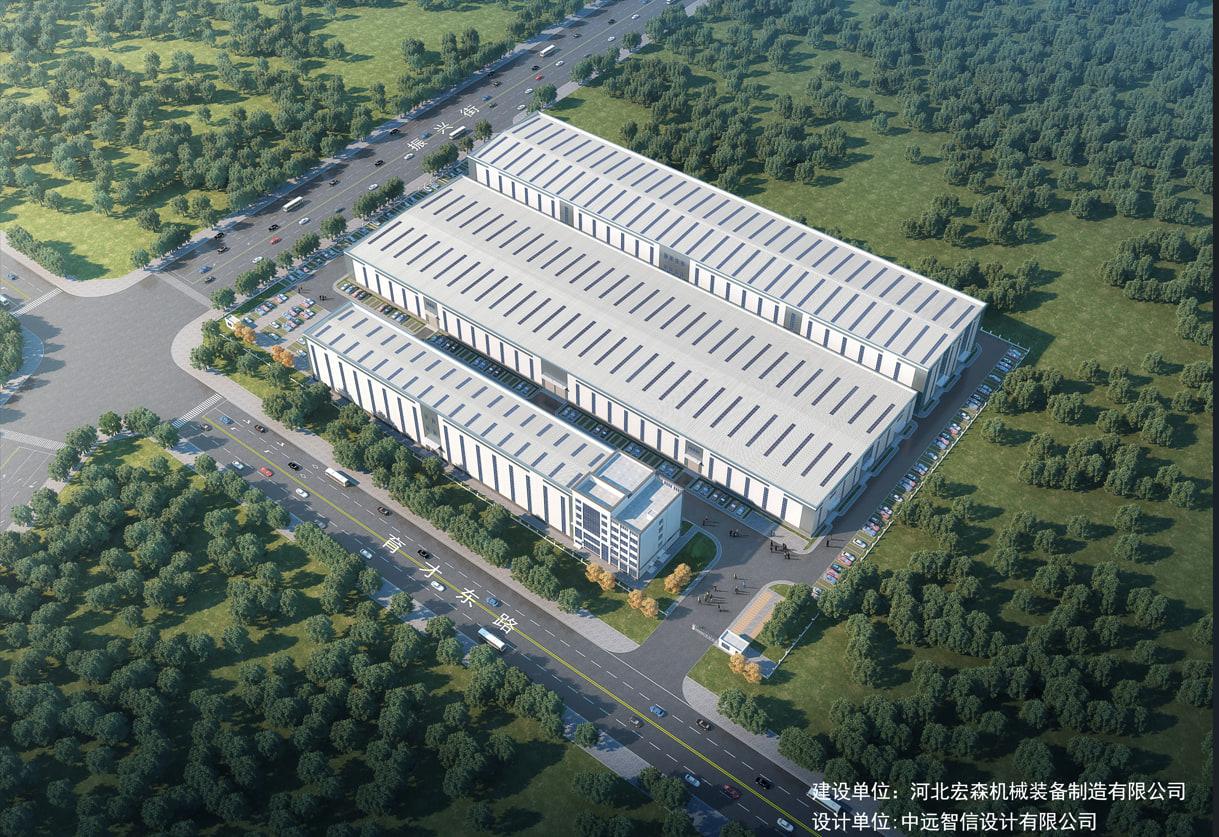
Fertigungsbasis Shijiazhuang seit 2002
Zeichnungsbasierte OEM-Gussteile für Landmaschinen, Industrieanlagen, Automatisierung, Pumpen, Ventile, Motorgehäuse und Maschinenbaustrukturen.
Gussverfahren, Bearbeitung, Prüfung, Oberflächenbehandlung und Exportverpackung werden für Lieferantenprüfung und RFQ-Bewertung koordiniert.
Unternehmensprofil
Schmelzen, Gießen, Bearbeitung, Prüfung, Verpackung und Exportkoordination für industrielle OEM-Projekte.
Lost Foam, Harzsand, beschichteter Sand und weitere Linien für unterschiedliche Strukturen und Stückzahlen.
Stabile Qualität, Prozessdisziplin und Umweltmanagement unterstützen langfristige Lieferbeziehungen.
RFQ Fit Summary
Hongsen is a fit for drawing-based OEM metal casting projects that need casting-route review, machining, inspection, and export coordination, not catalog-ready spot parts.
Best-fit projects
Pump and valve castings, motor housings, machine-tool structural castings, pulleys, transmission parts, wear parts, and industrial equipment castings.
RFQ starting point
Buyers can start with a 2D drawing, 3D model, sample photos, quantity, material direction, and machining or inspection notes.
Recommended path
Buyers with drawings should use the upload page; buyers comparing suppliers should review manufacturing capability and quality control first.
Managementsysteme
Werksgröße, zertifizierte Systeme, Gussressourcen und Projektreaktion.
Since 2002
Long-term manufacturing and foundry development
800+
Personnel supporting smelting, casting and machining
200,000 m2
Manufacturing base area
300,000 Tons
Annual foundry output capacity across core metal casting programs
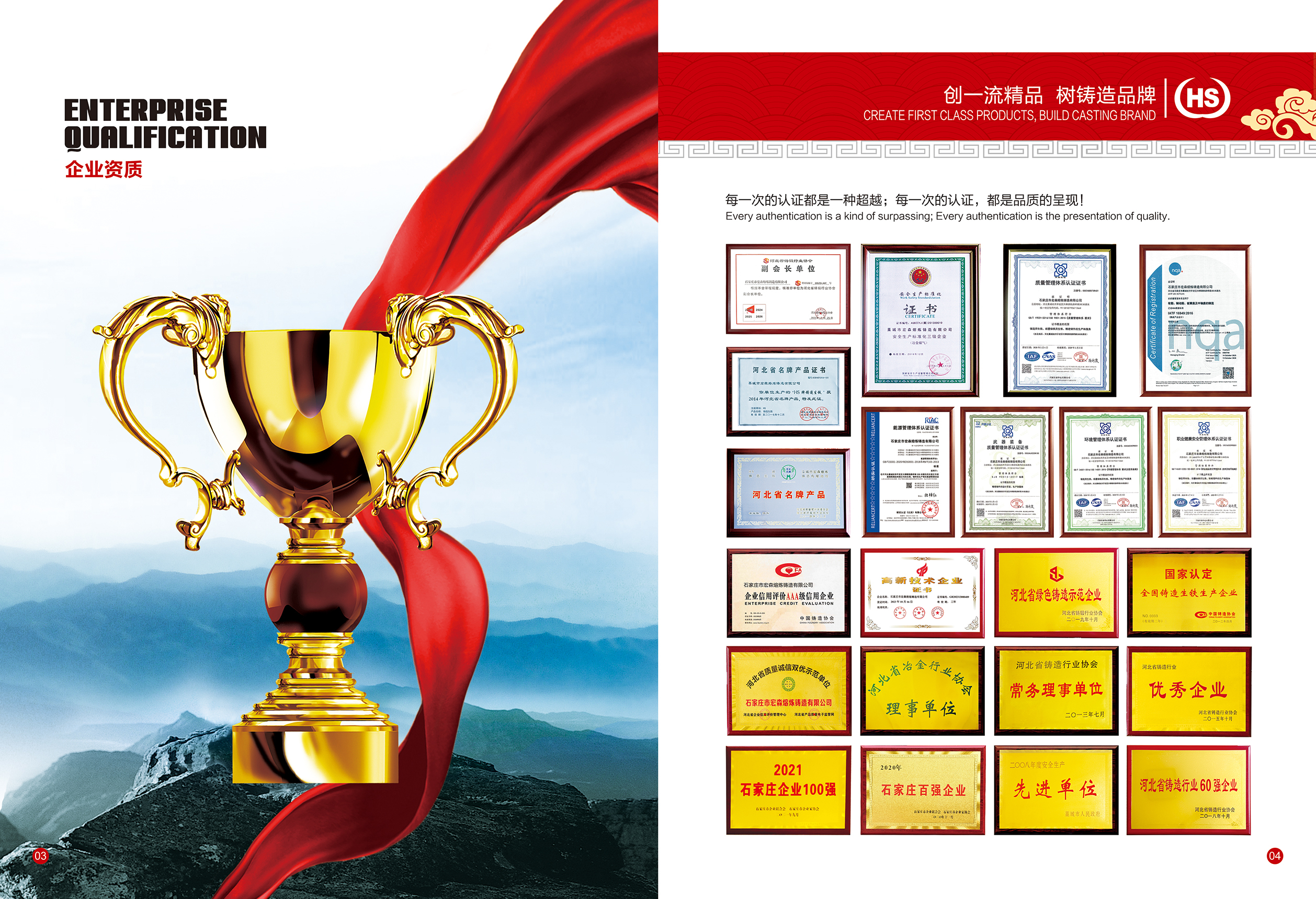
ISO 9001 / ISO 14001 / ISO 45001
IATF 16949 / GJB 9001C
High-Tech Enterprise / AAA enterprise credit
Green casting demonstration and Top 100 / Top 60 industry recognitions
 Open Clear Image
Management Certifications
Manufacturing Base Overview
The company operates a large metal casting base in Shijiazhuang with smelting, multiple casting workshops, machining, inspection, and export coordination.
Zertifizierung
The manufacturing system includes gray iron, ductile iron, cast steel, wear-resistant grades and precision casting resources.
Zertifizierung
Five large casting workshops, three machining workshops, and multiple process lines support different cast-part structures and production programs.
Zertifizierung
Management systems include ISO9001, IATF16949, ISO45001, ISO14001 and GJB9001C.
Zertifizierung
Technical review, stable production and coordinated export delivery support industrial buyers.
Fast Drawing Review
If you already have a 2D/3D drawing, sample photos, or key technical requirements, you can send them first. Hongsen will review the application context, material needs, quantity, and machining scope so the project can move faster into quotation and sampling discussion.
Once the drawing arrives, we first confirm whether the package is complete enough to begin the review and reply with practical next-step guidance.
We explain what information is already sufficient, what may still need to be added, and what the initial technical view looks like.
This works well for projects that already have drawings, samples, or defined technical requirements and now need a casting supplier for review and follow-up.
Material Directions
Different metal grades are selected according to strength, machinability, wear resistance, corrosion exposure, structure and application requirements. The list below shows common material directions discussed in OEM casting RFQs.
Werkstoffrichtung
A practical solution for machine structures, housings, pump bodies and general industrial components that benefit from vibration damping and castability.
Common in pump components, machine beds, housings and covers.
Werkstoffrichtung
Used when higher strength, impact resistance and better elongation are needed for loaded or pressure-bearing cast parts.
Suitable for valve bodies, gearbox housings, brackets and automotive parts.
Werkstoffrichtung
A suitable direction when the part needs stronger structural performance, tougher service behavior, or a steel-based specification tied to impact or load conditions.
Often considered for structural brackets, pressure-related parts, heavier housings and demanding industrial components.
Werkstoffrichtung
Designed for abrasive working conditions where service life and surface durability are critical to plant uptime.
Applied in liners, wear plates, crushing and conveying components.
Werkstoffrichtung
Chosen for demanding wear environments requiring elevated hardness and stable performance in mineral or slurry systems.
Used for impellers, wear sleeves, inserts and high-abrasion parts.
Werkstoffrichtung
Castings supplied with machining coordination for tighter fits, ready-to-assemble interfaces and controlled dimensional requirements.
Ideal for OEM projects requiring casting plus finish machining delivery.
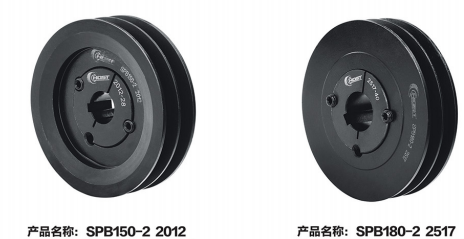
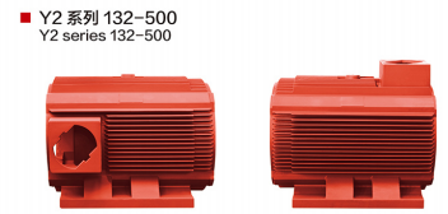
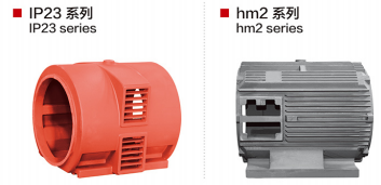
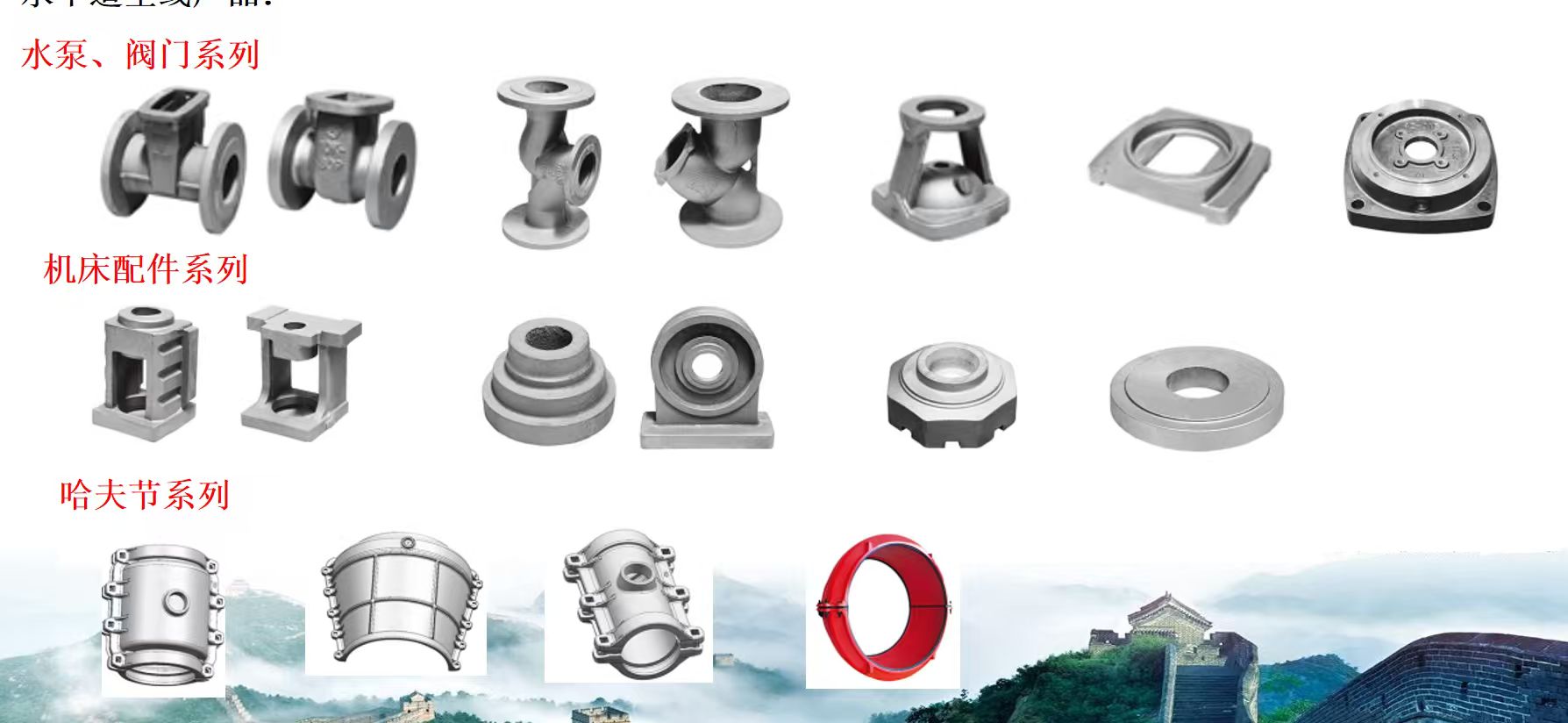
OEM-Gussteile
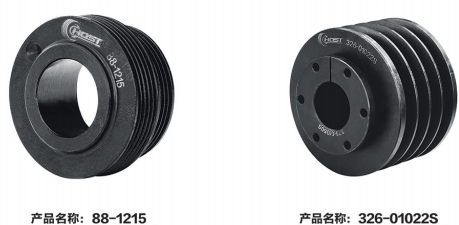
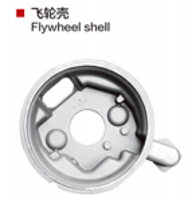
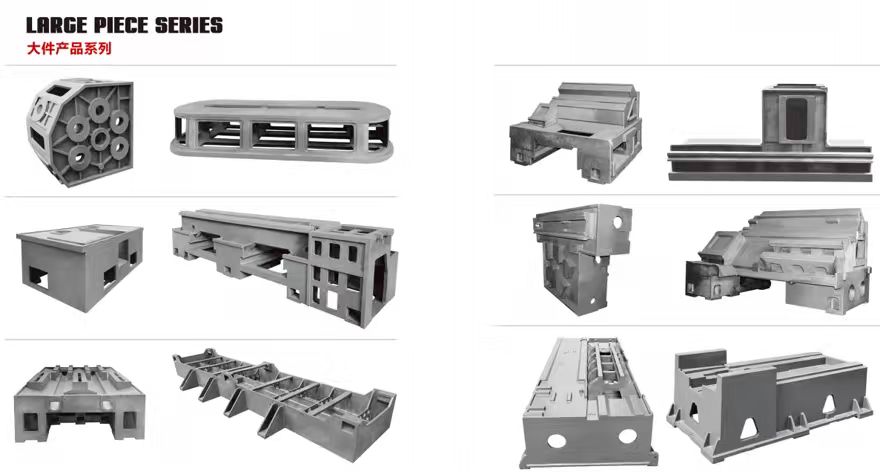
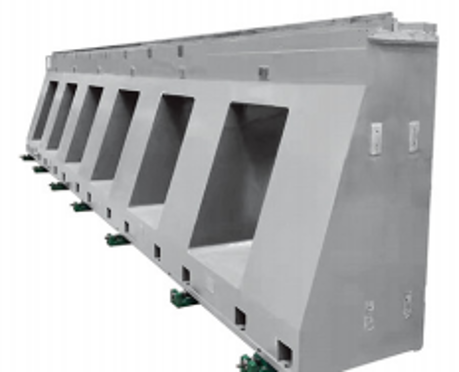
Reale Guss- und Bearbeitungsbeispiele für Antriebe, Motoren, Pumpen, Armaturen, Werkzeugmaschinen und Anlagen.
Product Families
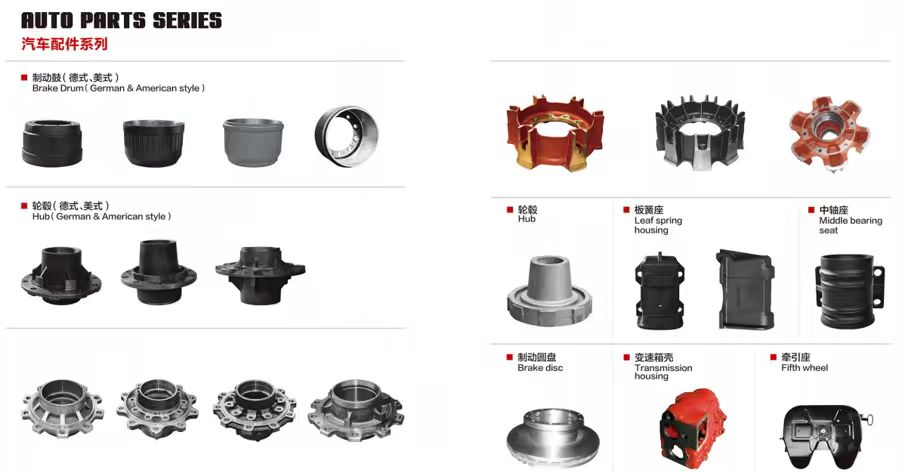
Beyond material and process capability, buyers usually want to know what kinds of parts the factory actually supports in long-term OEM supply. These product groups reflect that practical scope.
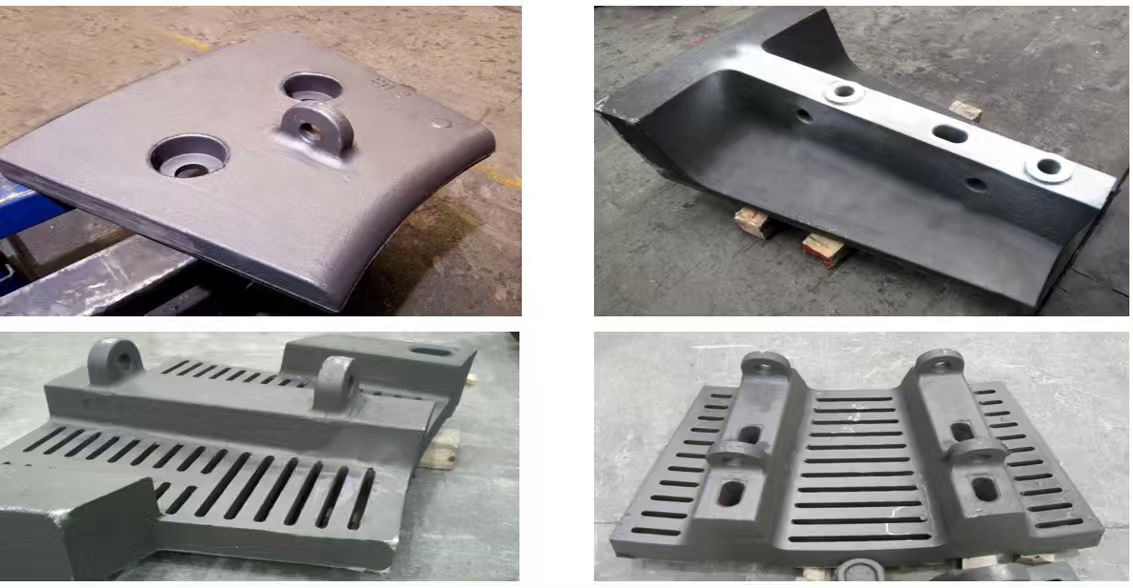
Browse Paths
Review pump, valve, housing, and other casting programs together with the technical information needed before drawing review.
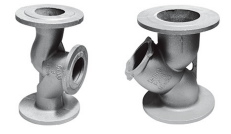
Useful for buyers sourcing pump-related OEM castings and comparing pressure structure, machining faces, and batch-supply logic.
View Pump Project Page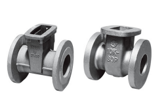
Useful when sealing faces, flange connections, pressure-bearing sections, and inspection expectations matter most.
View Valve Project Page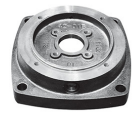
Useful for gearbox, reducer, and structural housing programs where rigidity, bore systems, and machining coordination matter together.
View Housing Project Page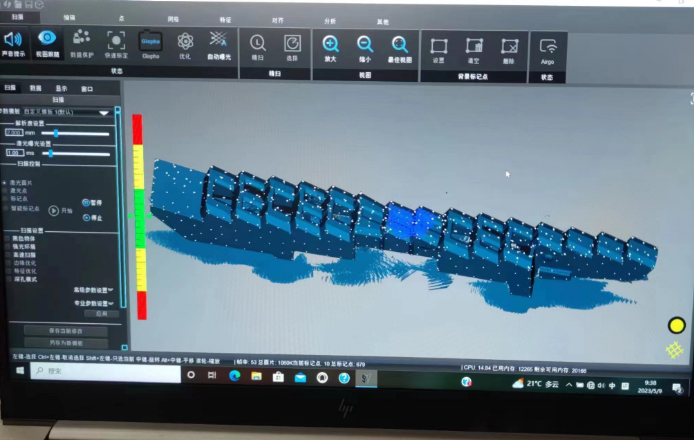
Useful for buyers who still need to organize drawings, service conditions, quantity, or machining notes before the first review.
View RFQ File ChecklistFactory Visuals
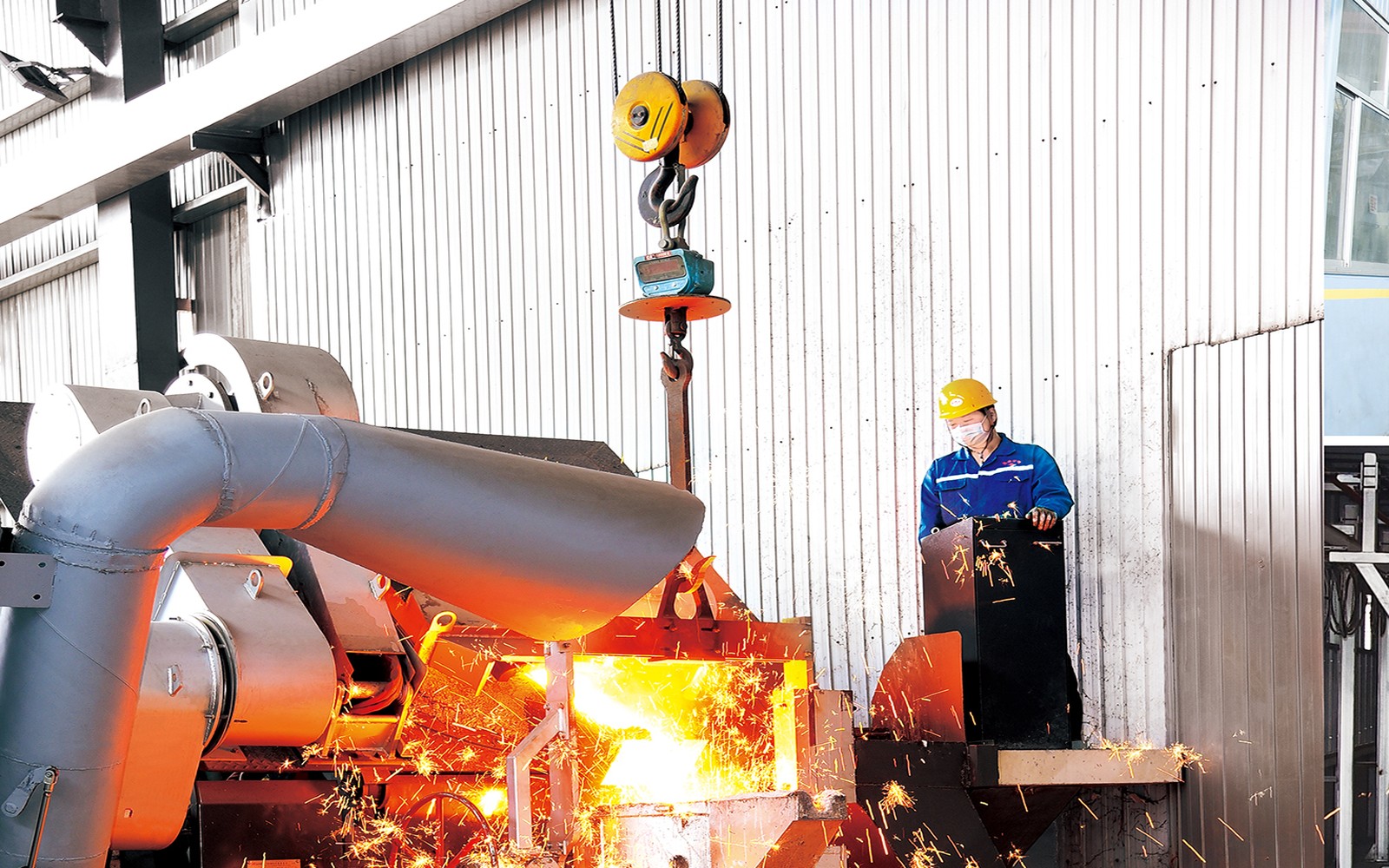
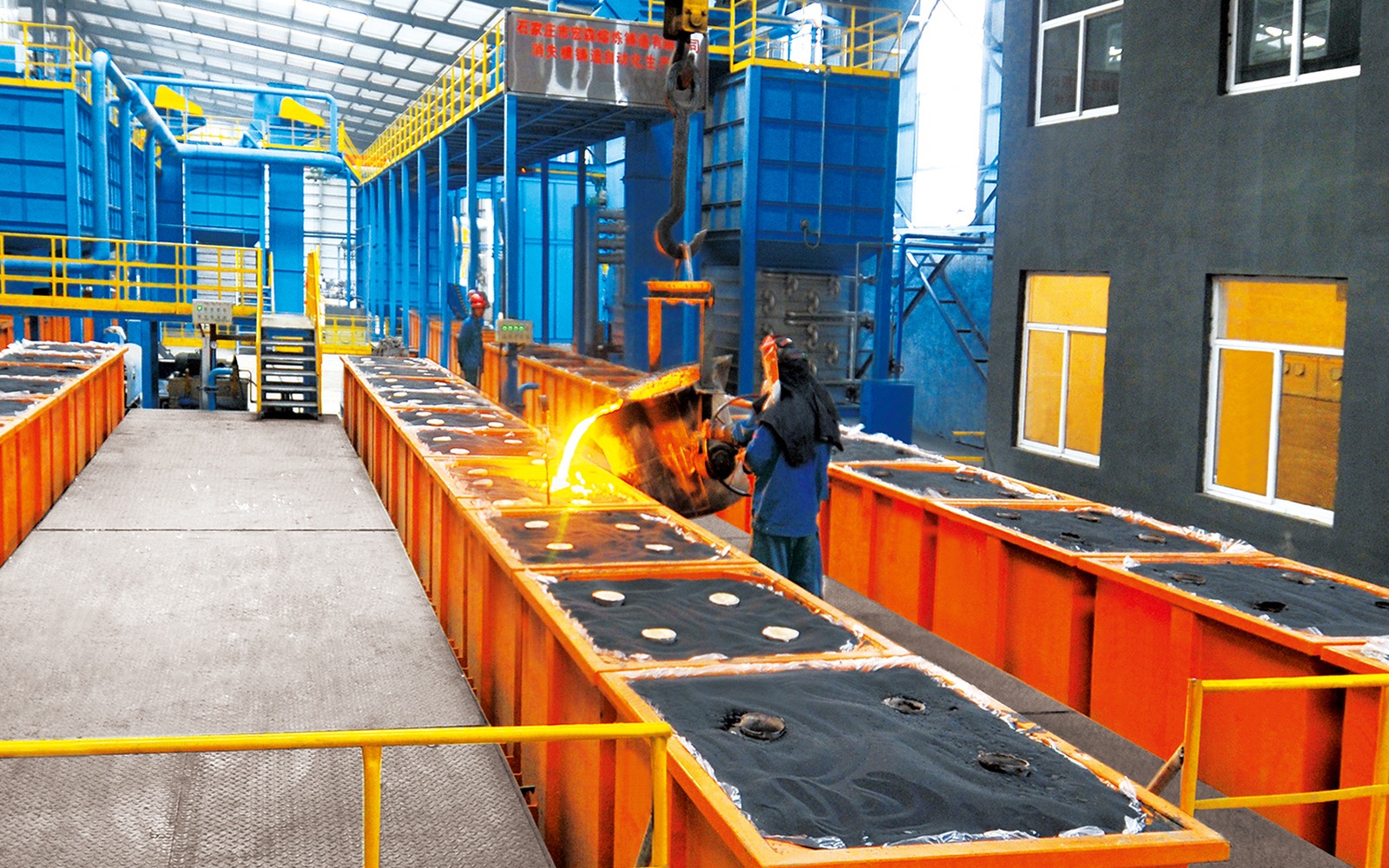
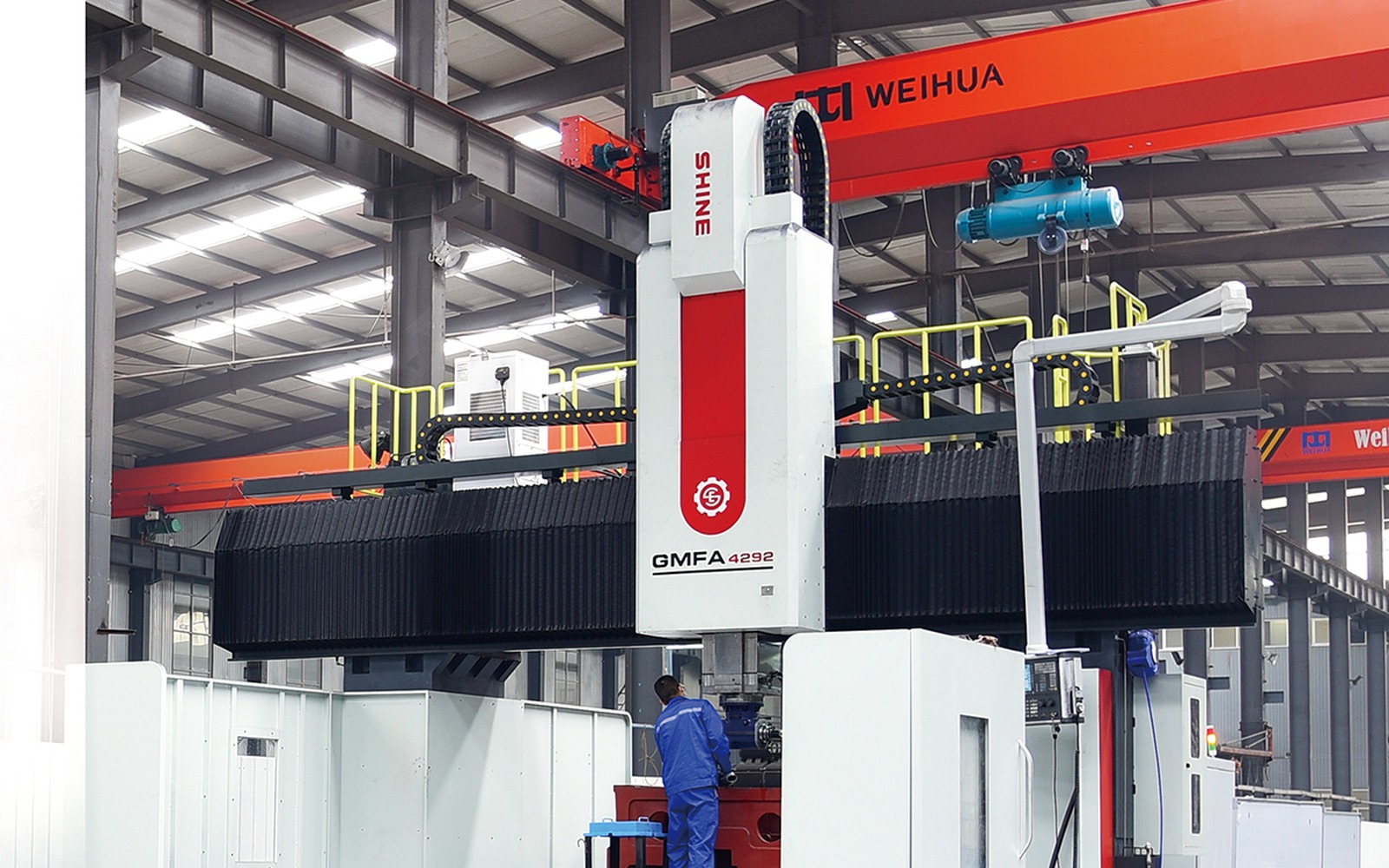
Factory images, real workshop, casting, and machining activity.
Fertigungsnachweis
Foundry scene for custom metal casting projects.
Fertigungsnachweis
Lost foam workshop for different structures and batch programs.
Fertigungsnachweis
Machining support for dimensional processing and coordinated delivery.
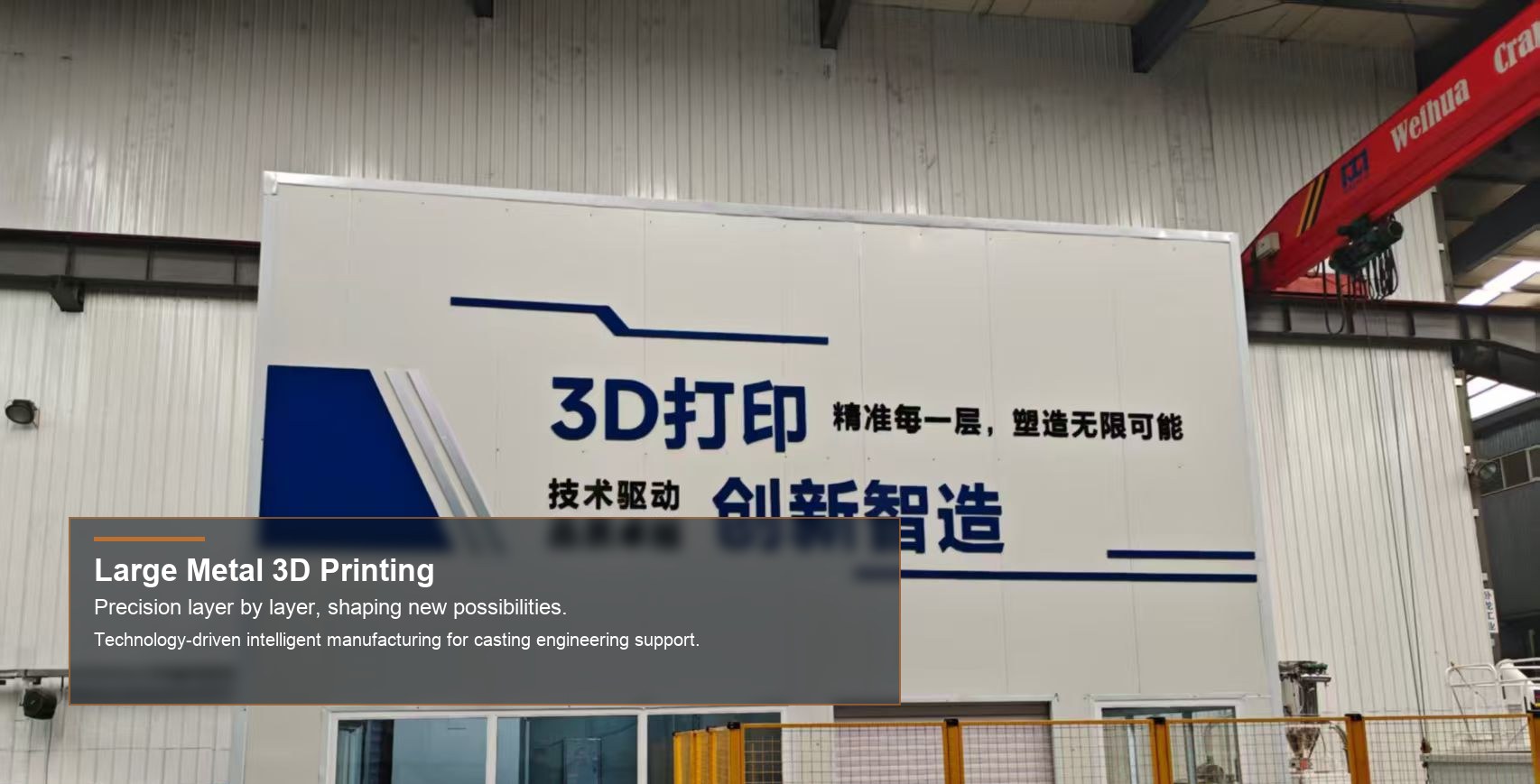
Engineering Support
Guss bleibt der Kern. Additive Unterstützung hilft, wenn Geometrie, Prototypenprüfung oder frühe Validierung wichtig werden.
Komplexe Geometrie vor der Prozesswahl besprechen
Prototypen- und Pilotlos-Prüfung unterstützen
Bearbeitungs-, Verformungs- und Prüfrisiken früher erkennen
Mit Gussroute und CNC-Nachbearbeitung verbinden
Für OEM-Gussprojekte als technische Unterstützung, nicht als Ersatz für die Gussprüfung.
Casting Lines
Hongsen operates multiple short-route casting lines together with a supporting CNC machining workshop. Based on your drawing, weight, structure, quantity, and quality requirements, we help evaluate a suitable route before quotation.
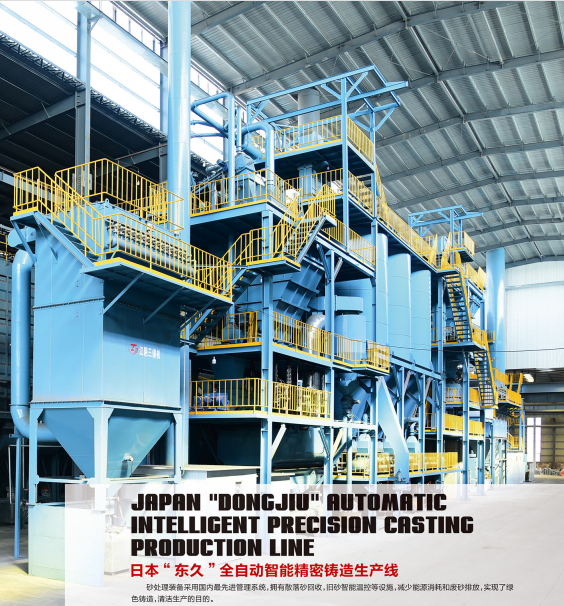
Gießlinie
Line Overview
This automatic lost foam line is used for short-route production of more integrated castings with cavity-rich geometry and stable repeat manufacture.
Best Fit Parts
A strong fit for motor housings, automotive cast components, and fan-related parts that need integrated geometry and repeatable molding logic.
Size And Batch Profile
Works well for medium-size programs that need process continuity, geometry flexibility, and downstream CNC machining support.
Typical Applications
Main output includes motor housings, automotive parts, and fan components, with machining and inspection coordinated after casting.
Supports more integrated geometry and internal cavity layouts
Well aligned with repeat production of industrial housing-type components
Can move into the CNC machining workshop for follow-up finishing and dimensional control
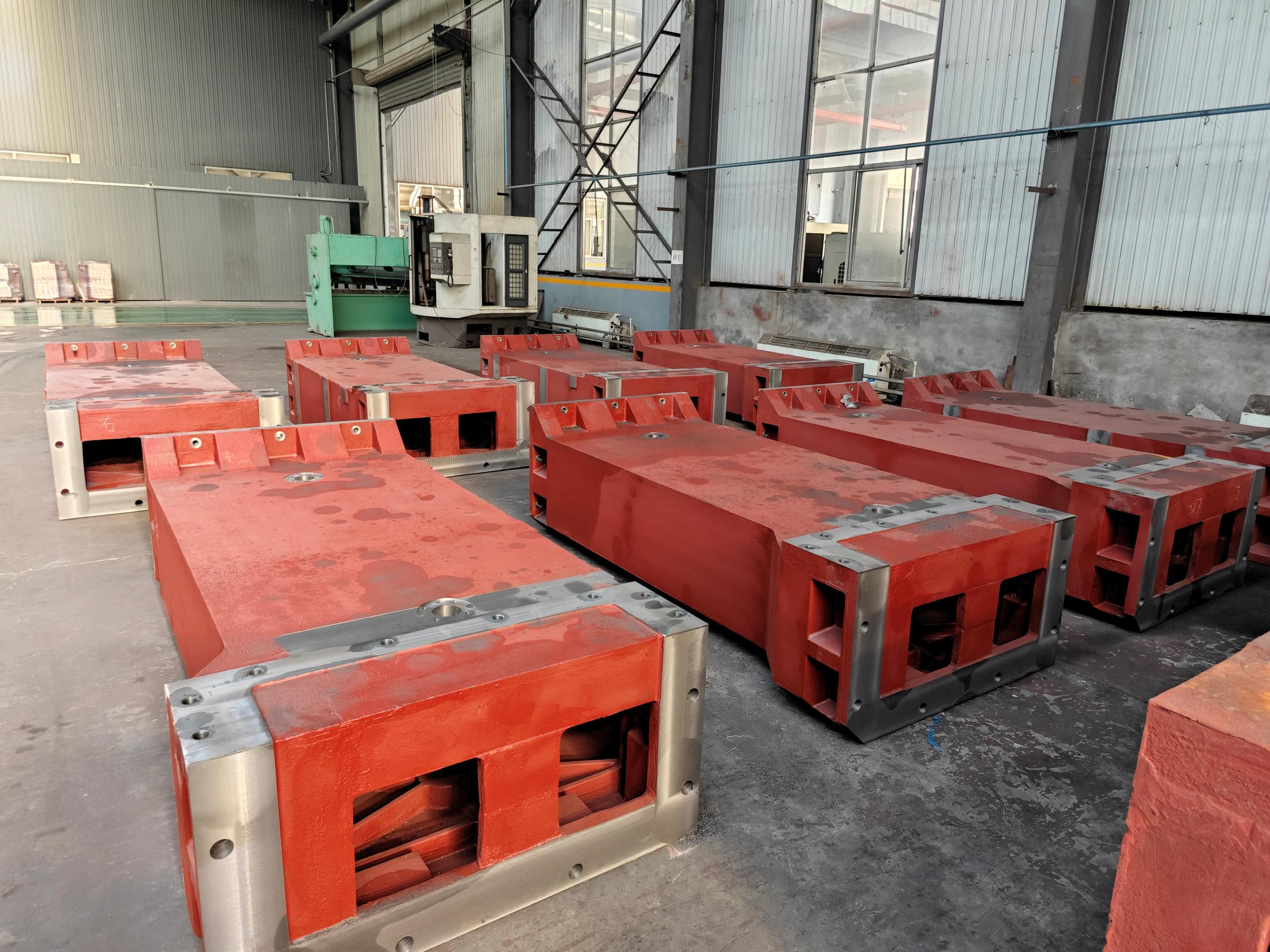
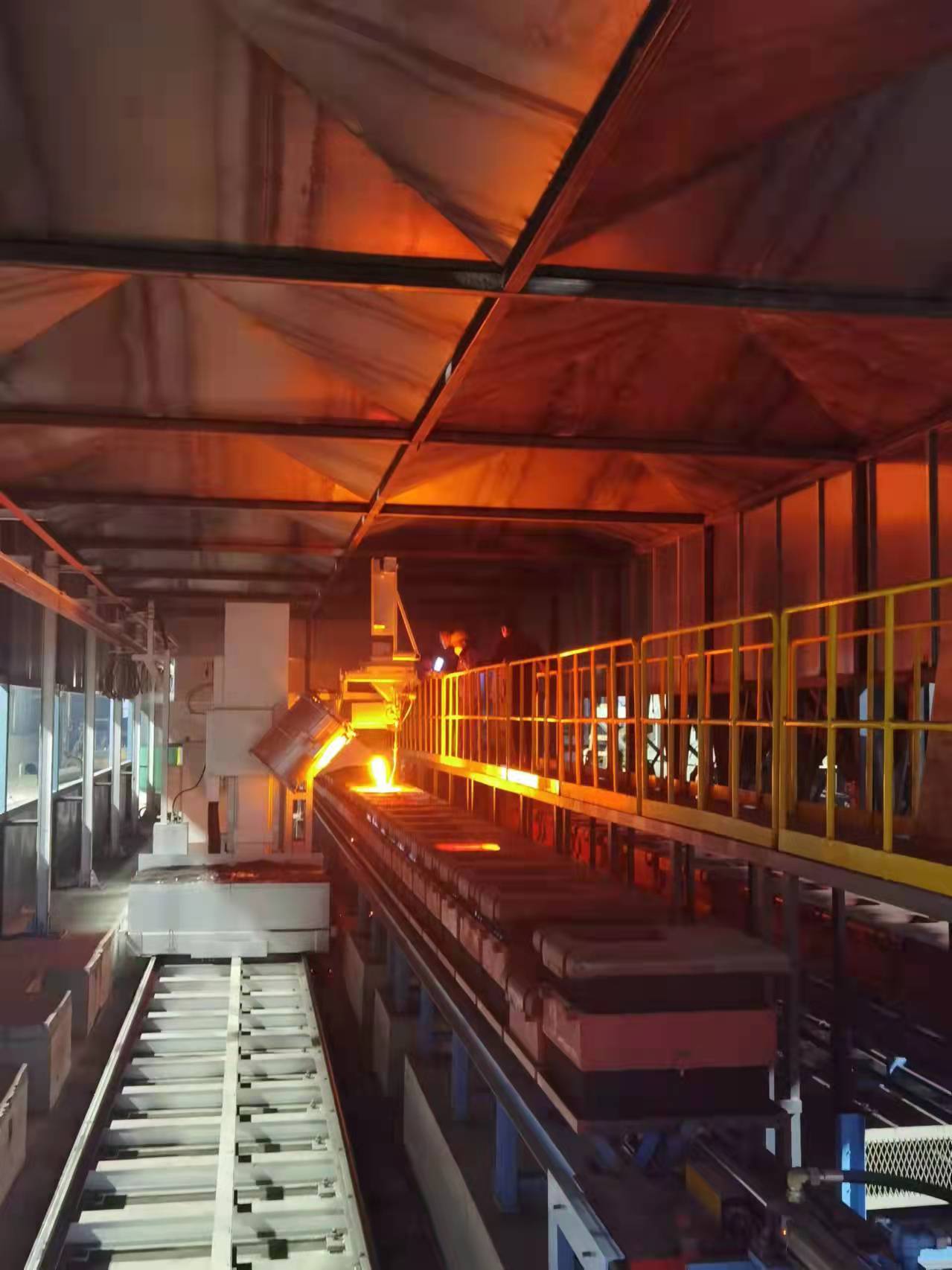
Gießlinie
Line Overview
This larger lost foam route is organized for medium-size machine tool castings and structural parts below about 5 tons.
Best Fit Parts
A good fit for small-to-medium machine tool castings, base structures, and larger industrial parts that still need more integrated foam-pattern geometry.
Size And Batch Profile
Typically used for medium-size large-part programs where handling, mold stability, and machining coordination all matter together.
Typical Applications
Mainly used for machine tool castings under 5 tons and similar structural projects that later move into large-part machining.
Supports larger-section machine structures without moving into ultra-heavy casting territory
Useful for machine bases and gantry-style industrial projects
Connects naturally with large CNC machining and inspection follow-up
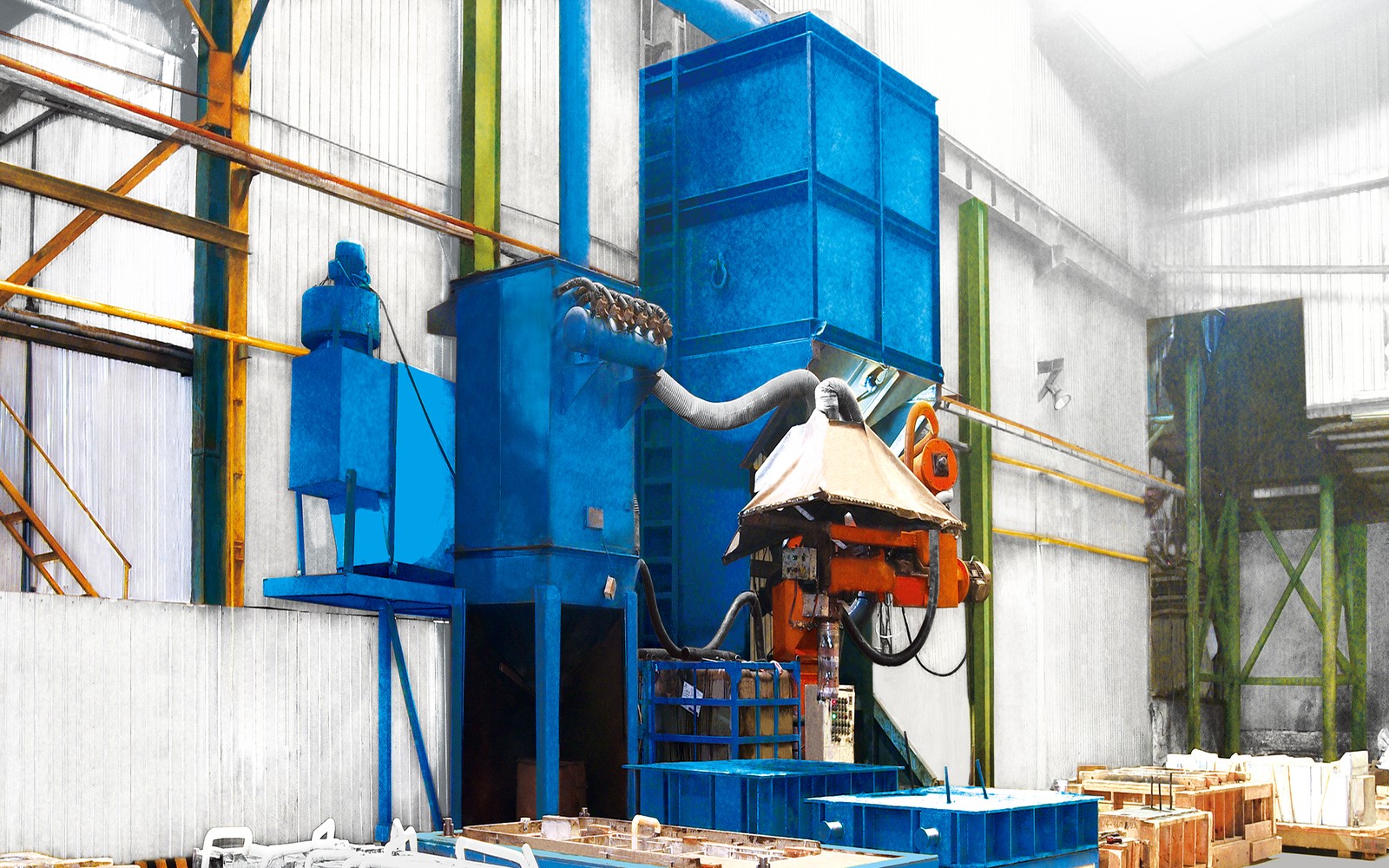
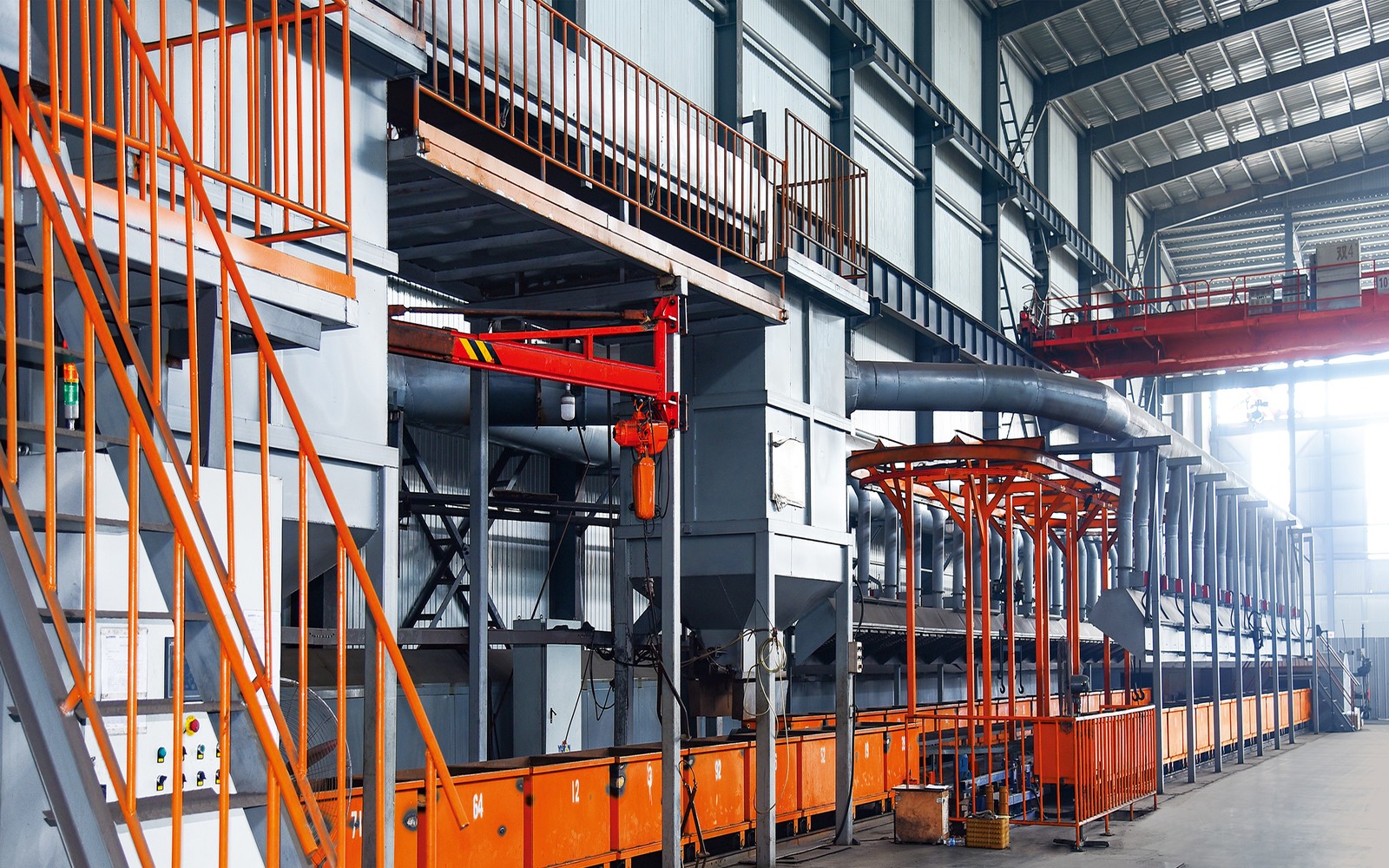
Gießlinie
Line Overview
The resin sand line supports medium and larger industrial castings where structural stability, machining allowance, and broader geometry coverage are all important.
Best Fit Parts
A strong route for machinery parts, large gantry machine castings, Haas machine-related castings, and general industrial structural components.
Size And Batch Profile
Works across mixed batch sizes, repeat OEM programs, and heavier sections that still need adaptable mold control and stable finishing allowance.
Typical Applications
Frequently used for machinery parts, gantry machine castings, machine tool structures, and broader industrial equipment castings.
Flexible across product families from general machinery to larger machine-tool structures
Suitable when castings later require broader CNC machining coverage
Supports stable process control for export-oriented OEM industrial programs
Gießlinie
Line Overview
This coated sand line is aimed at precision-oriented production of smaller and medium-sized castings with cleaner surfaces and stable repeat dimensions.
Best Fit Parts
A practical fit for automotive parts and other precision castings where cleaner profile control helps the later machining and assembly stages.
Size And Batch Profile
More suitable for repeated batch production of smaller castings where dimensional consistency matters from batch to batch.
Typical Applications
Main output includes automotive components and other precision castings that benefit from cleaner profile definition and repeatability.
Supports better surface quality and cleaner casting outline on smaller parts
Suitable for repeated OEM production with more stable dimensions
Works well when the next step is CNC machining or tighter assembly control
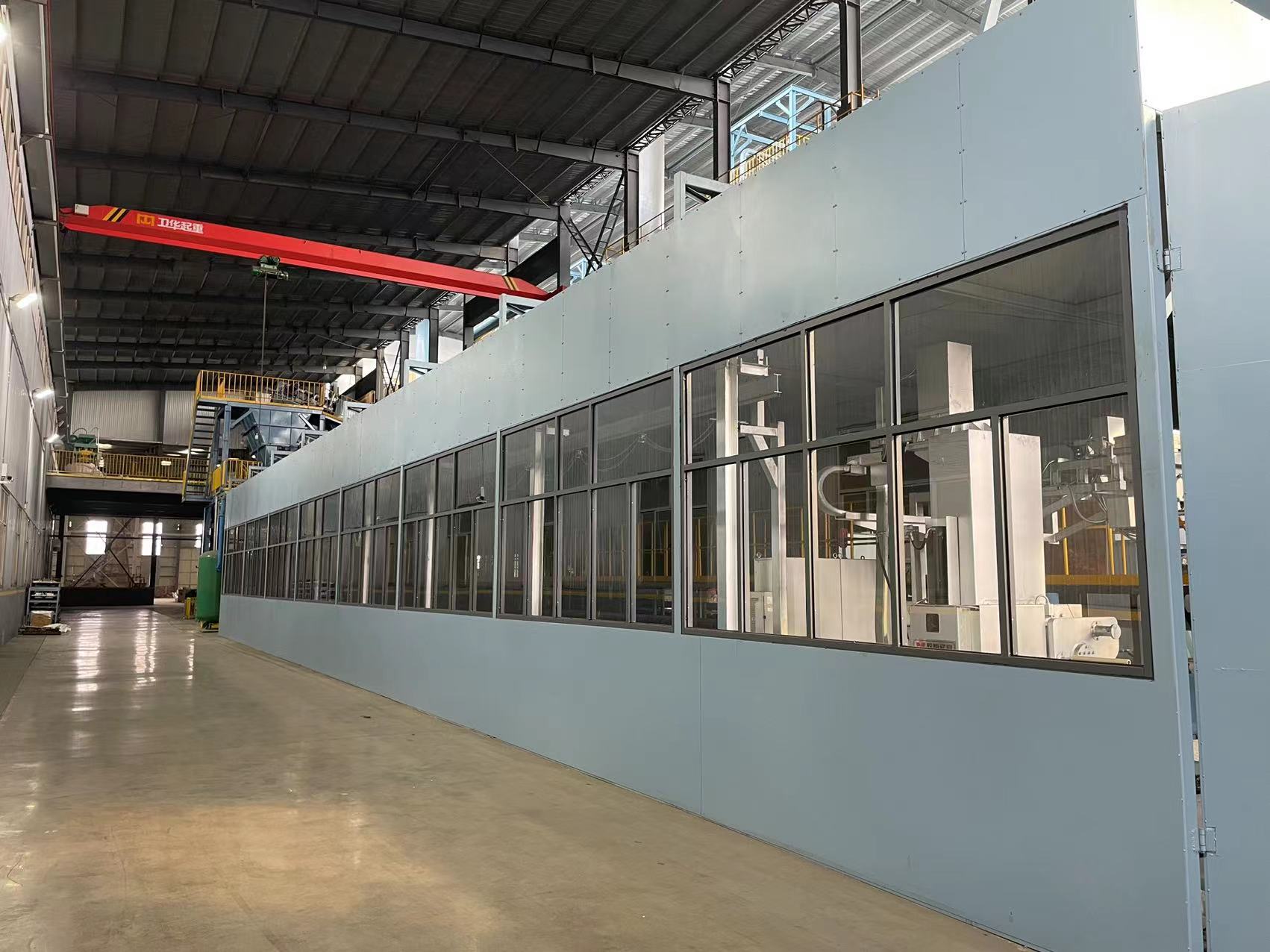
Gießlinie
Line Overview
This intelligent clay-sand route combines horizontal and vertical molding lines for repeat industrial parts that need efficiency together with dimensional stability.
Best Fit Parts
A strong choice for pumps, valves, coupling sleeves, motor parts, and precision machine-related castings that run as repeat OEM programs.
Size And Batch Profile
Best suited to repeat orders and medium-to-higher volume programs where molding efficiency and stable output matter together.
Typical Applications
Mainly used for pump parts, valve parts, coupling sleeves, motor castings, and precision machinery components.
Combines repeatable molding efficiency with stable dimensional behavior
Well suited to industrial OEM parts that later enter CNC machining
Supports longer-running supply programs with better output consistency
Gießlinie
Line Overview
Suitable for small and medium castings with complex shapes and higher dimensional requirements.
Best Fit Parts
Smaller complex castings, detailed geometry parts, and components where tighter dimensional expectations support assembly or machining precision.
Size And Batch Profile
Typically chosen for smaller parts, more detailed profiles, and programs that prioritize shape control over very large casting size.
Typical Applications
Useful for more intricate cast parts requiring stable batch production needs.
Accommodates smaller geometries with more detailed form
Suitable for projects with tighter dimensional expectations
Suitable for stable repeat manufacturing of complex shapes
Drawing-Based Manufacturing
Send us your 2D drawing, 3D model, sample photos or technical specifications. We review the material direction, process route, machining, inspection and delivery requirements, then coordinate production and export delivery.
Share 2D drawings, 3D files, sample photos and target requirements for review.
We evaluate material direction, process route, wall thickness, machining needs and batch fit.
Pattern and tooling planning is arranged to match the chosen casting process.
Melting, molding and controlled foundry production follow the part program.
Machining and downstream finishing are coordinated according to the drawing and specification.
Final inspection, packing protection and export delivery support complete the order flow.
Industries
Supply experience covers industrial valves, machine tools, automotive, large engineering vehicles, robotics, wind power, rail transit and other equipment sectors where metal castings are tied directly to end-use performance.
OEM-Branche
Bodies, housings, impeller-related parts and valve components requiring stable casting process control.
OEM-Branche
Transmission housings, covers and structural parts with machining interfaces and assembly requirements.
OEM-Branche
Field equipment castings balancing durability, repeat production and application-specific geometry.
OEM-Branche
Selected cast components for OEM and industrial vehicle systems requiring controlled production discipline.
OEM-Branche
Beds, bases, frames and machine structures where damping, rigidity and structural stability are valuable.
OEM-Branche
Larger structural castings for demanding service conditions and robust industrial assemblies.
OEM-Branche
Abrasive-duty cast components for service environments that call for harder, longer-life materials.
Projektbeispiele
Beispiele für Bauteilgruppen, bei denen Werkstoff, Gießverfahren, Bearbeitung und Prüfung gemeinsam abgestimmt werden.
Bei zeichnungsgebundenen Pumpen- und Armaturenteilen werden Werkstoff, Bearbeitungszugaben und ein passendes Gießverfahren gemeinsam geprüft.
Grau- oder Sphäroguss je nach Druck, Steifigkeit und Bearbeitungsbedarf
Gehäuse, Deckel, strömungsführende Bauteile und Armaturenstrukturen
Abstimmung von Guss, Bearbeitung, Prüfung und Exportverpackung
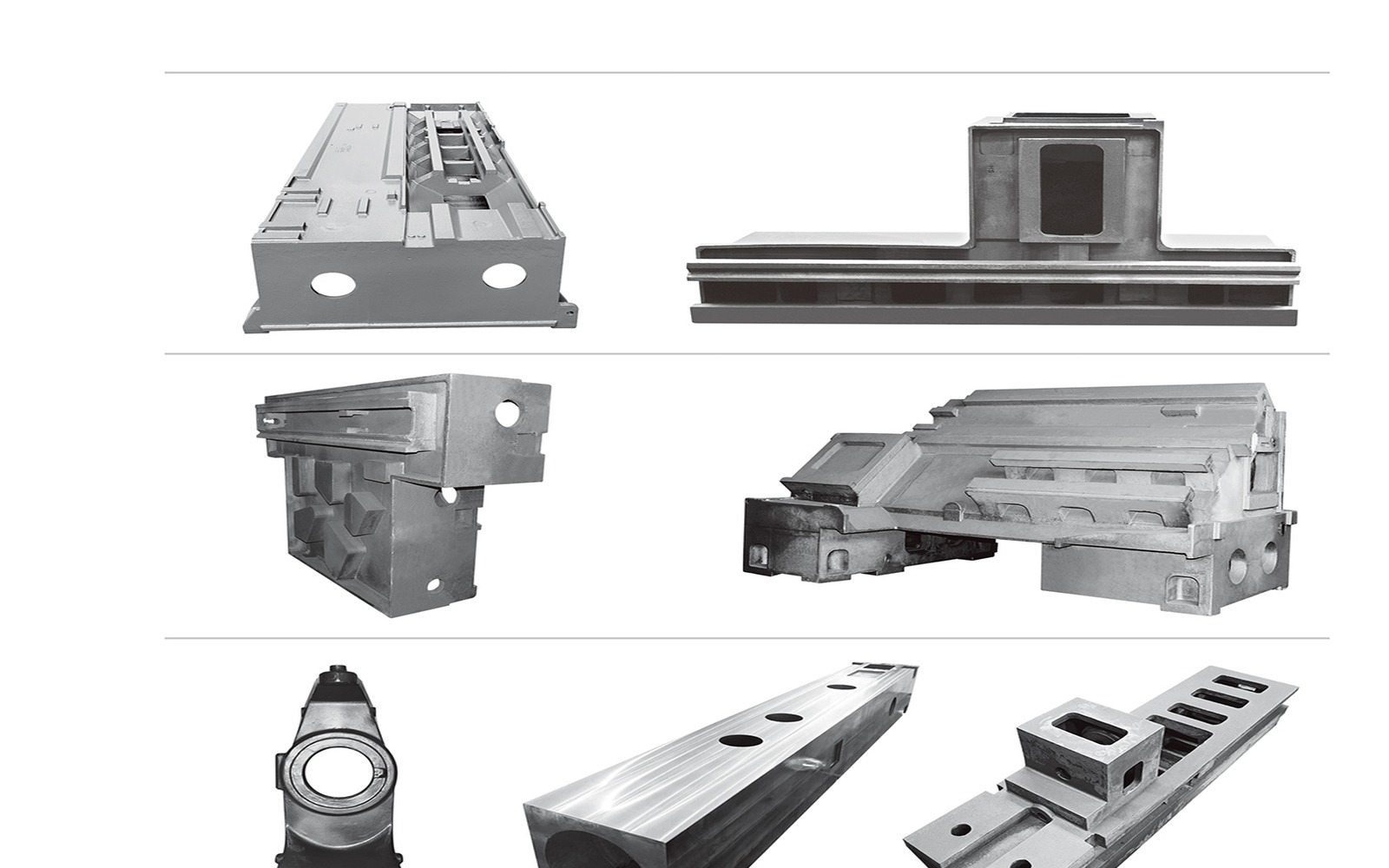
Bei Maschinenstrukturen stehen schwere Querschnitte, Steifigkeit, Verformung und die Bearbeitung kritischer Anschlussflächen im Mittelpunkt.
Prüfung von Großteil-Lost-Foam- und Furanharzsand-Verfahren
Geeignet für Betten, Sockel, Rahmen und Portalstrukturen
Bearbeitungsabstimmung für Montage- und Ausrichtflächen
Für abrasive Medien oder Stoßbelastung müssen Werkstoffrichtung, Härteziel, Bauteilgeometrie und Prüfanforderungen vor dem Angebot geklärt werden.
Bewertung von verschleißbeständigem Eisen oder hochchromhaltigen Werkstoffen
Typische Anwendungen sind Auskleidungen, Buchsen und hochbelastete Bauteile
Prüfschwerpunkte können Härte, Gefüge und Endmaße umfassen
Projektbasis
Erfahrungsfelder in Werkzeugmaschinen, Motoren, Riemenscheiben, Pumpen, Armaturen, Fahrzeugteilen und Industrieausrüstung.
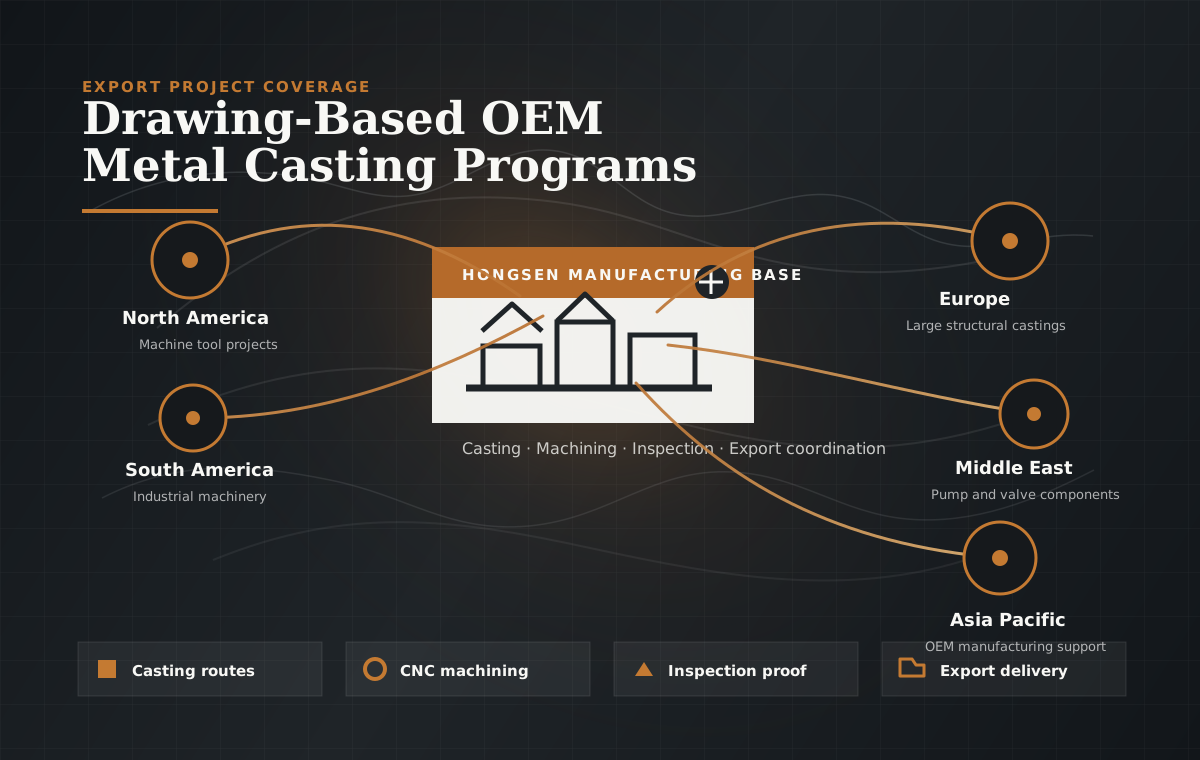
Unterstützung für Exportprojekte
Projekterfahrung in Europa, Amerika, dem Nahen Osten und weiteren Beschaffungsmärkten.
USA
Werkzeugmaschinen und große Strukturteile.
Tschechien
Europäische Werkzeugmaschinen und große Strukturteile.
Taiwan, China
Gussteile für Werkzeugmaschinen und Industrieausrüstung.
China
Industrieausrüstung und strukturierte OEM-Gussprojekte.
Armaturen
Projekte für Industriearmaturen.
Motorsysteme
Motor- und Antriebssysteme.
Pumpenausrüstung
Pumpen- und Gehäuseprojekte.
Werkzeugmaschinen
Strukturteile für Werkzeugmaschinen.
CNC-Ausrüstung
Sockelgussteile für CNC-Anlagen.
Automotive
Zulieferteile für Fahrzeuganwendungen.
Industriemaschinen
Komponenten für Industriemaschinen.
Industriefertigung
Projekte im industriellen Fertigungsumfeld.
Ausgewählte Kunden- und Projektrichtungen als Referenz.
Quality
Quality control covers composition analysis, mechanical property verification, hardness, metallography, dimensional checks, machining review and final packing inspection.
Material confirmation and charge traceability
Chemical composition analysis
Mechanical properties verification
Hardness testing
Metallographic inspection
Dimensional inspection
Machining inspection
Packing inspection before shipment
Fachwissen
Praxiswissen zu Werkstoffen, Gussverfahren, Bearbeitung, Qualität und OEM-Beschaffung.
OEM RFQ Checklist | July 2026
Jul 14, 2026
Quality Control Guide | June 2026
Jun 26, 2026
Leitfaden zur Bearbeitung von Gussteilen
Jun 24, 2026
Casting Route Comparison
Jun 21, 2026
Metal Additive Manufacturing Support
Jun 21, 2026
Buyer FAQ
These answers cover the practical checks buyers usually make before sending drawings, confirming material direction, or moving toward a trial order.
Yes. A 2D drawing is often enough for an initial process review and rough quotation. A 3D model helps shorten evaluation time when the structure is complex or machining and wall-thickness checks are critical.
Yes. Hongsen supports drawing-based custom metal casting projects and recommends suitable casting routes according to part geometry, material requirements, production volume, machining needs, and delivery expectations.
The most useful starting package is the drawing, material grade, quantity, annual demand, machining scope, inspection requirements, and target delivery timing. If the full package is not ready yet, application details and sample photos can still be used for review.
Yes. Hongsen can coordinate casting, machining, inspection, packing, and export delivery for OEM buyers that need a complete manufacturing package.
RFQ-Prüfung
Upload your drawing, material grade, quantity and machining requirements. We will review the part structure, material direction, casting route and production feasibility before quotation.