
Quote impact
Inspection scope and records can affect process selection, machining scope, cost, and lead time.
Quality Control
Inspection capability includes spectrometer analysis, carbon-sulfur testing, mechanical testing, hardness checks and metallographic review before final delivery.
Quality Review Summary
For OEM castings, early clarity on critical dimensions, machining faces, acceptance criteria, and required records makes quotation and delivery review more reliable.
Quote impact
Inspection scope and records can affect process selection, machining scope, cost, and lead time.
Drawing focus
Mark critical dimensions, datums, assembly faces, machining surfaces, and special inspection needs.
Buyer input
Send the drawing, application, quantity, material direction, and known acceptance requirements.
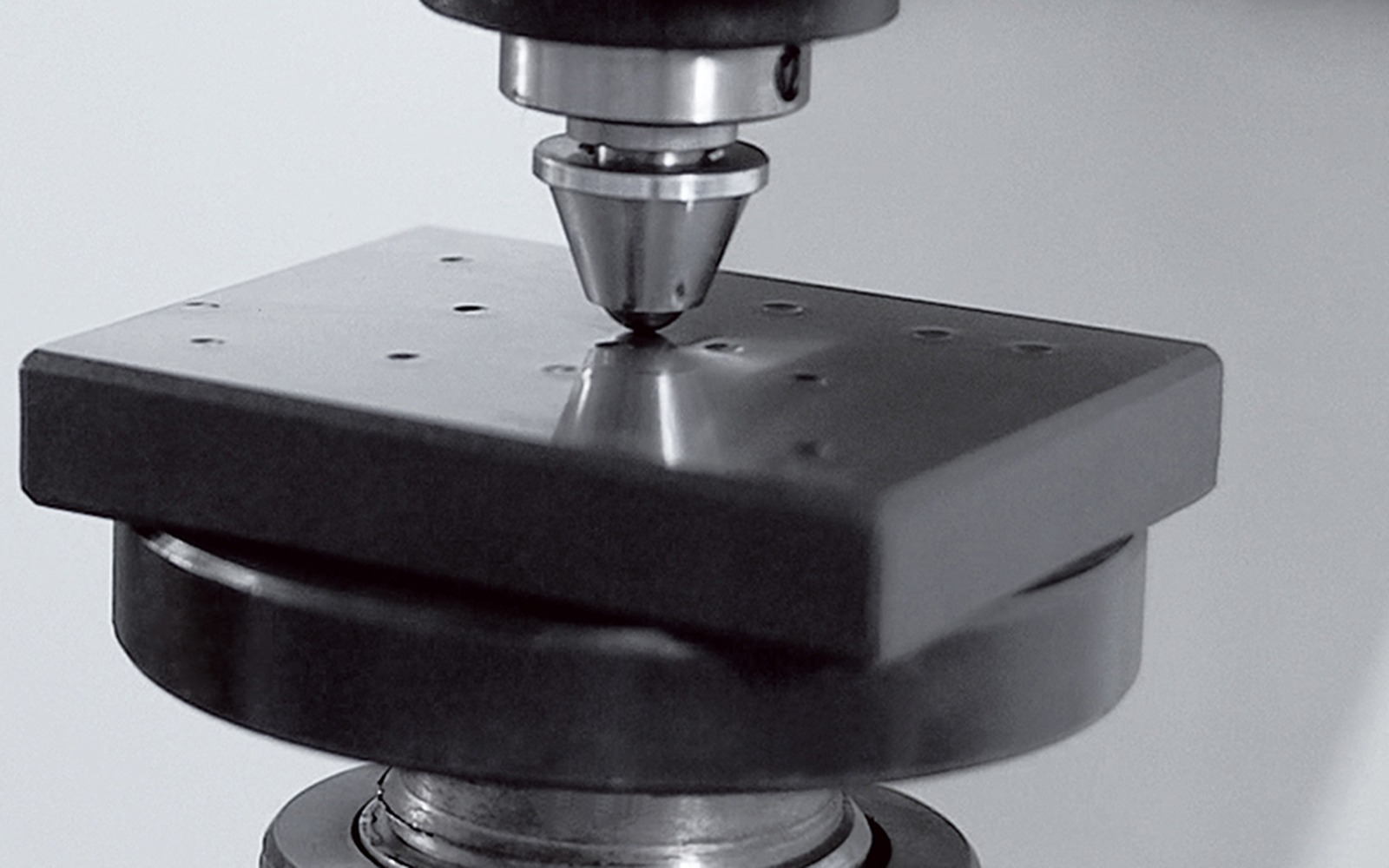
Inspection Focus
Inspection expectations can include material checks, composition analysis, dimensional verification, machining review, hardness confirmation and final packing inspection before shipment.
Material confirmation and charge traceability
Chemical composition analysis
Mechanical properties verification
Hardness testing
Metallographic inspection
Dimensional inspection
Machining inspection
Packing inspection before shipment
Inspection Equipment
OBLF-GS1000-II spectrometer
Carbon-sulfur analyzer
Carbon-silicon analyzer
Metallographic microscope
Universal tensile testing machine
Brinell hardness tester
Project Inspection Plan
The final plan separates routine controls from project-specific tests and confirms the applicable standard, acceptance criteria, report format, timing, and whether work is completed internally or through a qualified external resource.
01
Chemical composition, tensile properties, hardness, and metallography are selected according to the specified grade and acceptance requirements.
02
CMM, MPI, and other NDT items are reviewed by drawing feature, risk, standard, report needs, and available internal or external capability.
03
When required, part size, material, temperature cycle, holding time, process curve, and record requirements are confirmed before execution.
04
For jackets or pressure-related cavities, pressure, medium, holding time, acceptance criteria, and the sealing or plugging method must be agreed first.
Process Control
Each gate turns buyer requirements into a controlled production and inspection input.
Confirm controlled 2D/3D files, revision, material, critical characteristics, machining scope, quantity, and open technical items.
Define casting route, machining sequence, hold points, sampling, required records, and internal or qualified external inspection responsibilities.
Link material direction, heat or batch identification, composition checks, and key process records to the production lot.
Apply only when specified or technically agreed, with the required cycle and traceable process records.
Check datums, critical dimensions, machining faces, material or mechanical results, and project-specific CMM/MPI/NDT requirements.
Review final dimensions, appearance, required documents, packing protection, identification, and release status before shipment.
Testing scope and document packages are project-specific. Items not included in the drawing or RFQ are confirmed before quotation or trial production.
Start with the part's functional interfaces, then identify the machining and inspection requirements that need to be reviewed with your drawing.
Specify the groove profile, bore, keyway and datum references. Mark any required runout or balance criteria on the drawing.
Identify the stator bore, bearing locations and mounting faces. Mark datums, coaxial features and critical dimensional checks.
These are RFQ inputs. Acceptance limits, inspection methods and report requirements are agreed for each project.
Buyer FAQ
These answers help purchasing and engineering teams prepare a clearer first review.
Critical dimensions, machining faces, material checks, hardness, appearance, and report requirements can change the casting route, machining plan, cost, and delivery risk.
Mark critical dimensions, datum areas, machining and assembly faces, inspection standards, report expectations, and the part's application.
Yes. Send the confirmed requirements first and identify open items. The first review can clarify what must be fixed before trial production or batch supply.
Requirements vary by project. State whether you need material certificates, dimensional reports, hardness results, pressure-related records, first-article documents, or buyer-specific forms.
The requirement can be evaluated and arranged after the test pressure, medium, holding time, acceptance criteria, and sealing or plugging method are confirmed. The quotation should state the agreed scope.
No. They are project-specific. The required standard, sampling, report, timing, internal or qualified external route, and any related cost should be confirmed before quotation.
Provide the part size, material, applicable drawing or standard, required temperature and holding cycle if specified, and any curve or report requirement. The practical route is then confirmed for the project.
RFQ Focus
Use the RFQ form to note hardness targets, key tolerance, material testing scope, machining inspection points and any customer-specific quality documentation needs.