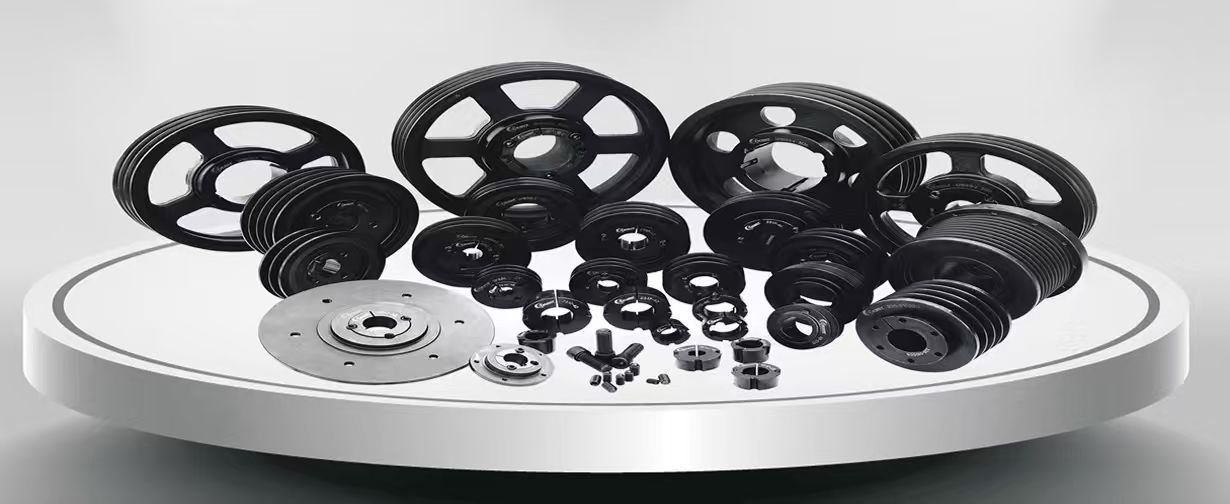
Pulley Body
Clay sand or coated sand route by size and batch
3D Application View
Explore pulley bodies, taper sleeves, bores, keyways, machined faces, and batch consistency for transmission components.
3D Transparent View
The real-photo view separates pulley body, sleeve, bore, keyway, and machined/balancing areas for clearer RFQ discussion.
3D Transparent View
Rotate the tractor, then hover or tap a translucent casting zone to see route fit, pain point, and Hongsen capability.
Application First
After the first drawing review, Hongsen can discuss route fit, machining scope, inspection focus, packing, and export coordination with the buyer.
Complete Tractor
Rotate the tractor, then hover or tap a translucent casting zone to see route fit, pain point, and Hongsen capability.
Application First
After the first drawing review, Hongsen can discuss route fit, machining scope, inspection focus, packing, and export coordination with the buyer.
Clay sand or coated sand route by size and batch
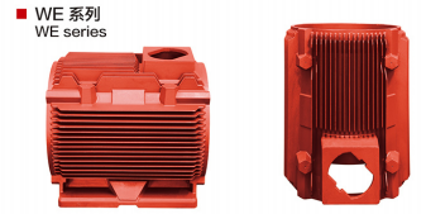
Casting plus machining support
CNC machining after casting
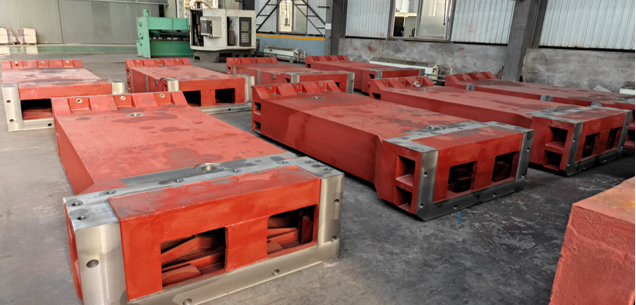
Route selected by geometry and volume
Buyer Questions
These short answers help purchasing and engineering teams decide whether to move into drawing review.
A 2D drawing, 3D model, sample photos, material direction, estimated quantity, annual demand, and machining notes are enough to start the first review. The final grade does not need to be fixed before Hongsen checks route fit and RFQ risk.
Hongsen reviews part size, wall thickness, weight, tolerance, batch volume, machining faces, and inspection needs before matching the part with clay sand, resin sand, lost foam, coated sand, or CNC machining support.
Yes. During drawing review, Hongsen can discuss machining allowance, datum surfaces, holes, sealing faces, hardness, dimensional checks, documentation, packing, and export delivery requirements.
RFQ Focus
For agricultural machinery castings, a drawing, application, material direction, and estimated quantity are enough to begin the first technical screen.