
最近の業界情報に基づく内容
Alloy Breakdown: Ductile & Gray Iron · Casting Source / American Foundry Society
Material Selection Guide | July 2026
Gray iron and ductile iron should not be treated as interchangeable names on an RFQ. The useful first comparison is based on the part's load path, vibration behavior, pressure duty, wall sections, machining features, inspection needs, and the final application.
プロジェクト画像
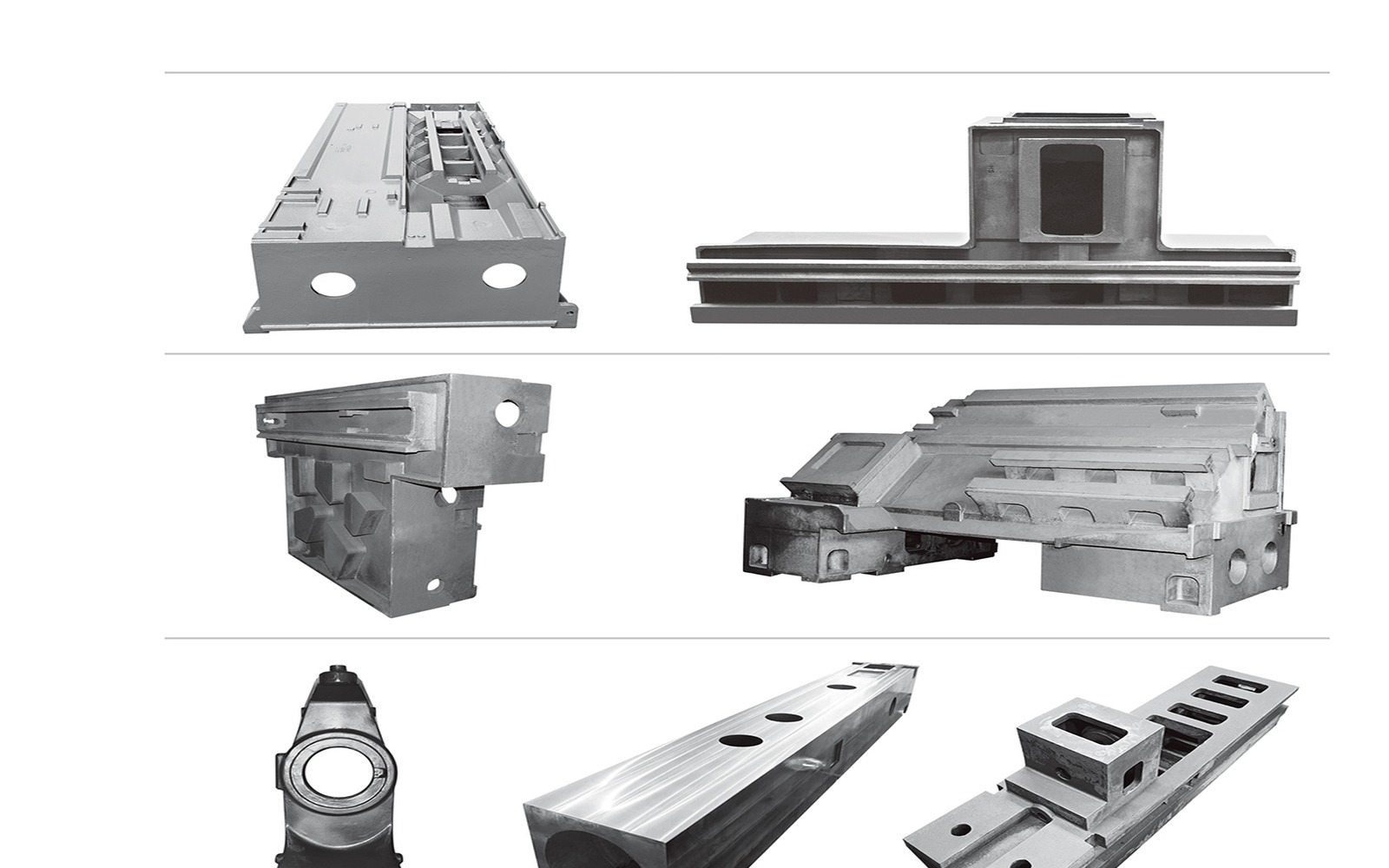
Gray iron is widely used where rigidity, vibration damping, castability, and machining behavior are central. Ductile iron is often reviewed when the part needs higher strength, greater toughness, or more demanding pressure, impact, or load conditions. The final grade still needs to be selected for the actual drawing and service requirements.
最近の業界情報に基づく内容
Alloy Breakdown: Ductile & Gray Iron · Casting Source / American Foundry Society
Gray iron is often considered for rigid, damping-sensitive structures such as bases, housings, frames, and selected pump or machinery castings
Ductile iron is often reviewed for components with higher strength, toughness, pressure, impact, or changing load requirements
Wall thickness, local geometry, machining datums, and cooling behavior can influence the practical material and process discussion
The buyer can start an RFQ before the final grade is fixed by sharing the drawing, application, load conditions, machining needs, and inspection expectations
検討項目
A material comparison becomes useful when it turns into drawing-review questions. These are the points that normally affect the manufacturing route, machining plan, inspection scope, and quotation direction.
Function: stiffness, vibration damping, pressure containment, impact exposure, fatigue concern, and expected service life
Part geometry: wall transitions, ribs, cores, thin or thick sections, local hot spots, and casting weight
Machining: bearing seats, bores, sealing faces, threads, datums, surface requirements, and allowance planning
Quality: material grade, hardness if applicable, critical dimensions, pressure-related checks, and buyer-specific reports
Supply plan: prototype or trial order, repeat quantity, annual demand, process-route fit, and target delivery schedule
要点
対象プロジェクト、検討範囲、RFQに必要な情報をまとめています。
調達の焦点
実際の調達課題に沿った実務的な情報
RFQの出発点
図面、数量、材質方針、機械加工条件
プロジェクト対応
図面検討、工程協議、検査、納入調整
対象
OEM購買、調達担当、技術評価チーム
RFQ要点
材質、鋳造工程、機械加工、検査を一体で検討できるよう、次の情報をご用意ください。
2D図面と、利用可能な場合は3Dデータ
部品用途、使用条件、仕向け市場
材質規格または材質の方向性
数量、年間需要、試作注文計画
機械加工範囲、重要公差、検査要件
Buyer FAQ
These answers provide a practical starting point. They do not replace engineering review of the final grade, drawing, and service condition.
Gray iron is often considered for rigid structures and vibration-damping applications, including bases, frames, housings, and selected industrial machinery components. The drawing, wall sections, machining needs, and actual duty still need review before a final grade is selected.
Ductile iron is commonly reviewed when a part needs higher strength, greater toughness, pressure capability, impact resistance, or more demanding load conditions. The required grade depends on the actual application and inspection requirements.
Yes. Send the drawing, application, loading or media conditions, quantity plan, machining notes, and inspection expectations. That is usually enough to start a material-direction discussion before the final specification is locked.
Mark critical bores, sealing faces, datums, threads, tolerances, pressure zones, target hardness if relevant, and any required material or dimensional report. These details can affect both the material direction and the casting-plus-machining plan.
RFQ要点
Upload the drawing with the application, load or media conditions, machining requirements, quantity plan, and inspection notes. Hongsen can begin with a material-direction and process-fit review before quotation.