
Suitable for valve bodies, valve covers, connectors, and pressure-bearing cast structures
Valve Castings
Valve Body Castings For OEM Supply And Drawing Review
Valve-related sourcing usually depends on more than the body casting alone. Buyers often need a supplier that can discuss pressure-related structure, machining interfaces, sealing requirements, and project handling from the RFQ stage.
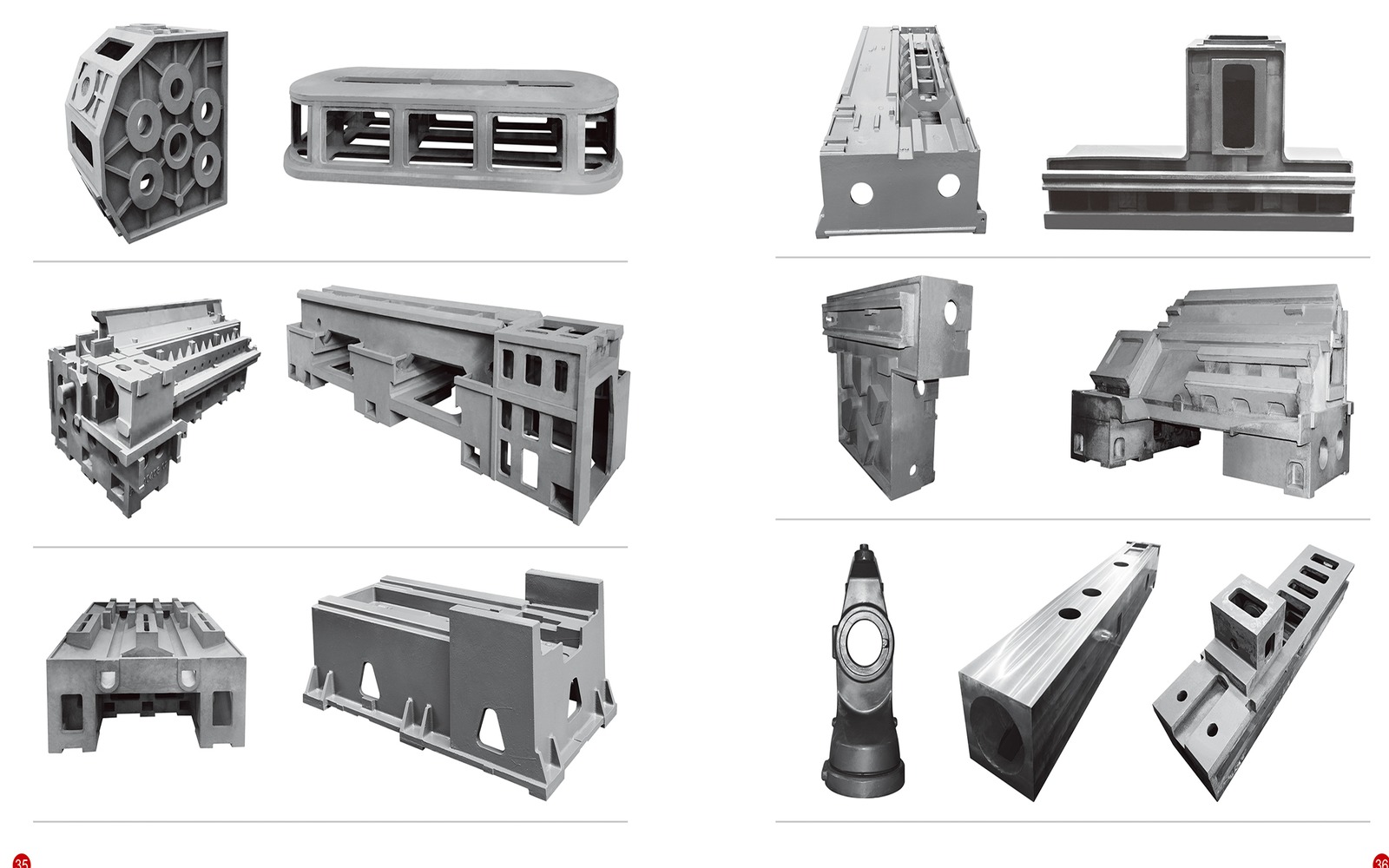
Project Visual
Why Valve Body Sourcing Needs A More Technical Guide
Valve casting projects often require clearer material direction, structure review, machining coordination, and inspection planning than a generic product guide can show. This guide is built to answer those buyer concerns directly.
Supports drawing-based OEM review and machining discussion
Useful for projects with sealing, assembly, or pressure-related considerations
Helps buyers align material direction, machining scope, and inspection expectations earlier
Project Fit
Valve Body Projects Usually Start With Pressure, Sealing, And Machining Logic
Valve-related castings require more than a general material recommendation. Buyers usually want early judgment on pressure-bearing zones, sealing surfaces, and the inspection burden the project creates.
Does the internal geometry support a stable casting route?
Pressure-bearing areas, corner transitions, core complexity, and shrinkage risk matter early.
How will sealing faces and connection surfaces be machined?
Bonnet joints, flange faces, seat-related surfaces, and coaxial features should be reviewed before pricing.
Are pressure and inspection requirements already clear enough?
That directly affects material direction, process choice, and quality-control planning.
Review Focus
What Valve Body RFQs Usually Need To Clarify
A strong valve-casting guide should help buyers ask better technical questions before price becomes the only topic.
Application environment, media exposure, and service condition context
Material direction and casting-route suitability for the structure
Machining interfaces, sealing faces, bores, and fit-critical zones
Inspection priorities for dimensions, surface condition, and supply repeatability
Quick Facts
Project Fit At A Glance
A concise summary of project fit, review scope, and RFQ inputs.
Common Parts
Valve bodies, bonnets, housings, flanged connections, and passage-related castings
Typical Material Direction
Gray iron, ductile iron, cast steel, depending on pressure class and service conditions
Review Before Quotation
Pressure zones, sealing geometry, flange dimensions, machining faces, and inspection requirements
Best Fit
Valve OEMs, flow-control equipment makers, sourcing teams, and engineering reviewers
Reference Visuals
What A Stronger Valve-Casting Page Should Show
Product relevance, machining logic, and quality control should appear together so the buyer sees real project understanding instead of generic promotion.
Valve Body And Housing Direction
Helps the buyer connect the page to actual body, bonnet, and housing projects.
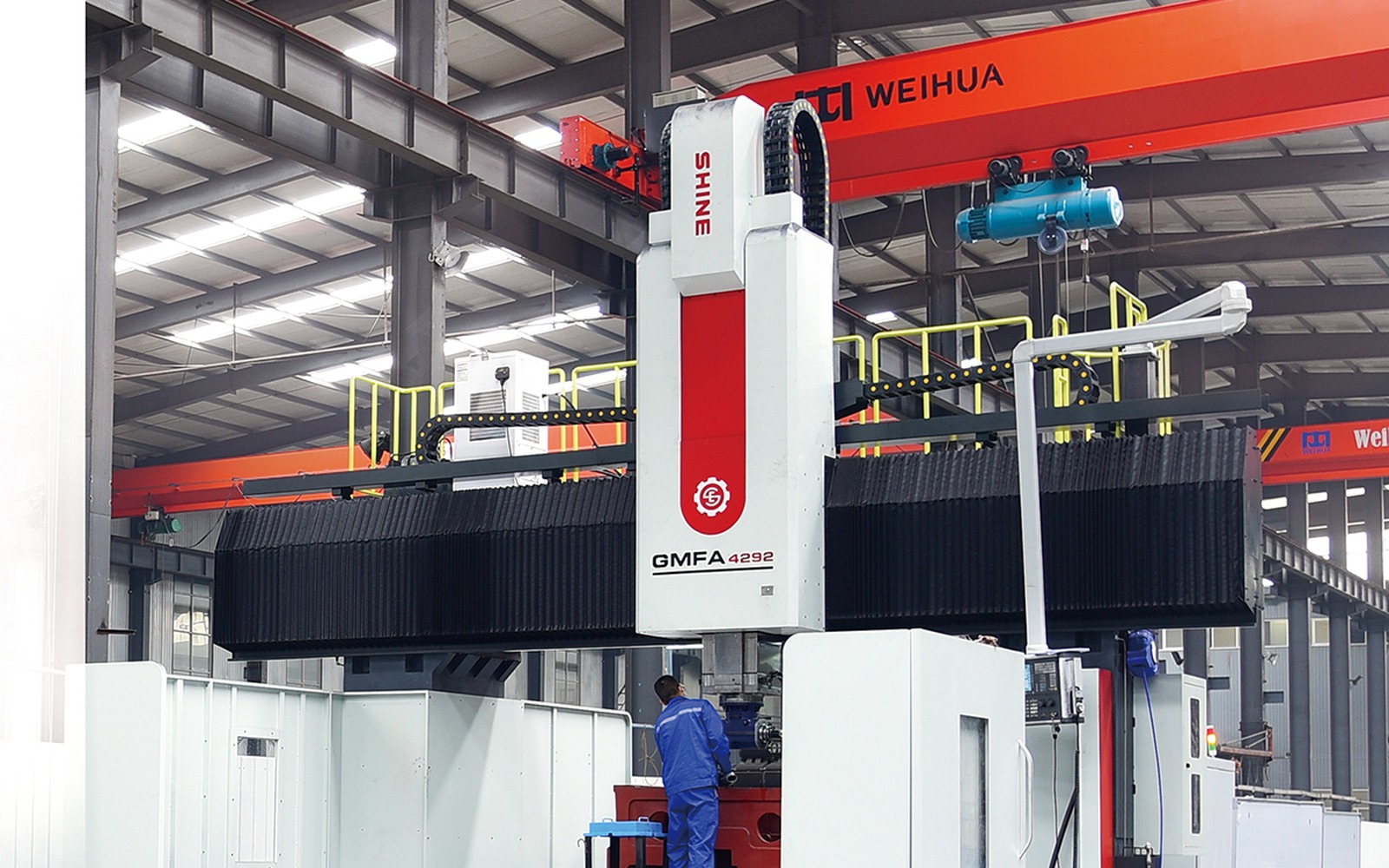
Critical Machining Surfaces
Shows that sealing and connection surfaces are reviewed as part of the project route.
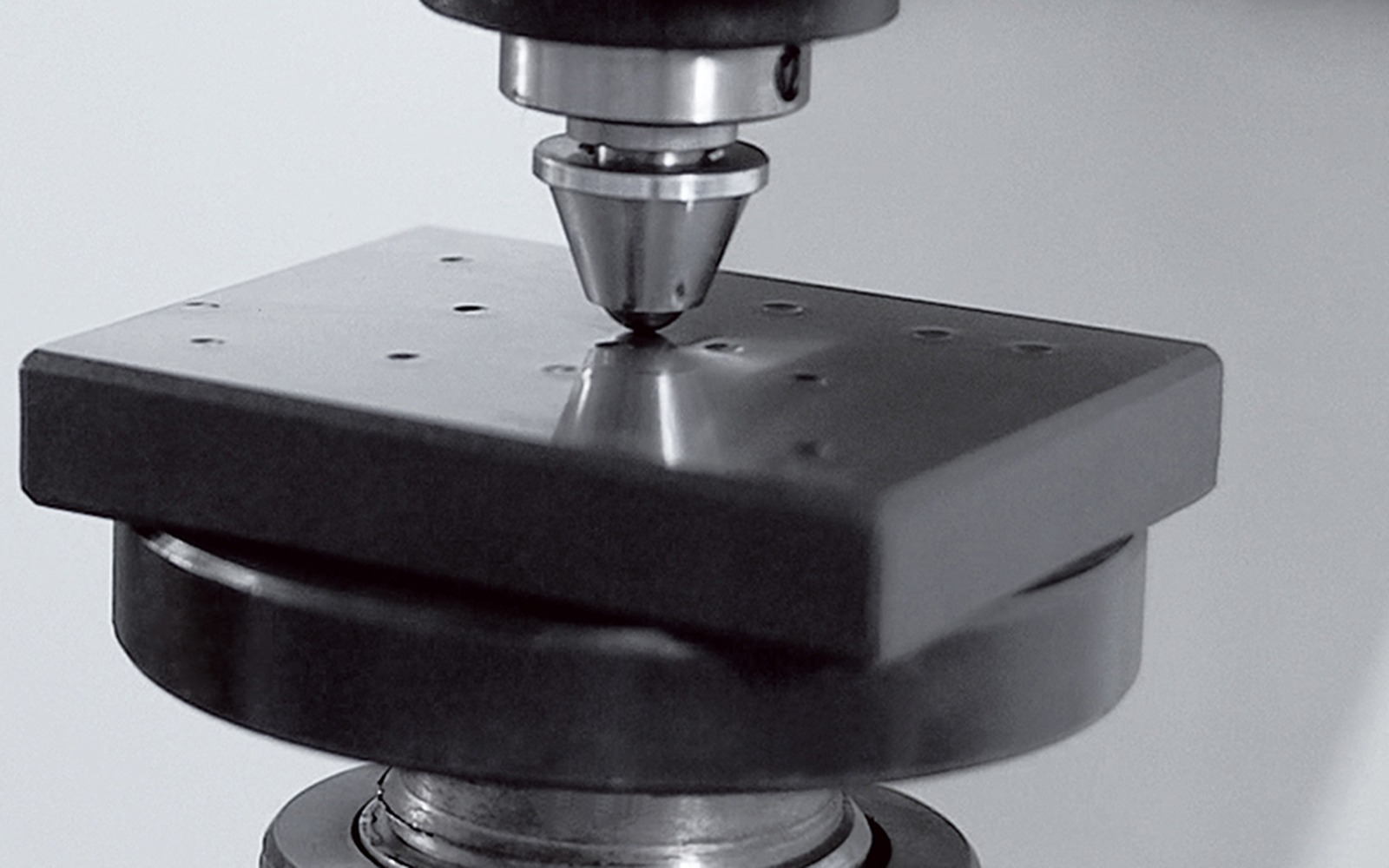
Inspection And Consistency
Useful for buyers who care about pressure-related reliability and repeatability.
RFQ Focus
RFQ Package That Moves Review Faster
Prepare these inputs so material, casting route, machining, and inspection can be reviewed together.
2D drawing, with 3D files if available
Part application, service condition, and destination market
Material grade or at least material direction
Quantity, annual demand, and trial-order expectation
Machining scope, critical tolerances, and inspection requirements
Next Step
Valve Projects Move Faster Once The Drawing Is Shared
If the drawing, pressure notes, and key machined areas are already defined, Hongsen can begin the first technical review quickly.
Start With A Drawing Review
The earlier Hongsen receives the drawing, quantity plan, material direction, and machining notes, the faster the first review can begin.
Review Manufacturing Capability
Confirm whether the current casting lines, machining support, and export coordination fit the project scope.
Review Quality Control
If consistency, inspection scope, and delivery stability matter most, continue to the quality-control page.
Buyer FAQ
Questions About Valve Body Casting Supply
These questions match how OEM buyers usually compare valve-casting suppliers in practice.
Can a valve-body project start from a drawing even if the final route is still under review?
Yes. The project can begin from the drawing, application details, media context, and machining requirements before the final route is fully locked.
Should pressure-related or sealing-critical features be highlighted in the RFQ?
Yes. Marking sealing faces, bores, wall-thickness priorities, and fit-critical features helps the review move more directly.
Can machining and inspection be discussed together with the casting supply?
Yes. Many valve OEM projects need casting, machining, dimensional control, and inspection planning to be reviewed as one package.
Related Guides
Related Sourcing And Manufacturing Guidance
Continue with the relevant material, process, machining, or quality-control topic.
Related Capability Guide
Ductile Iron Casting Manufacturer
Ductile iron casting manufacturer guide covering grade discussion, process review, machining support, inspection, and export-oriented OEM handling.
Related Capability Guide
Custom Iron Castings By Drawing
Drawing-based custom iron castings for OEM buyers, including process review, material selection, machining planning, and inspection support.
Related Capability Guide
Iron Casting Quality Control
Iron casting quality control guide for OEM buyers looking for inspection scope, machining checks, documentation, and export-oriented review support.
RFQ Focus
Need A Valve Body Drawing Reviewed?
Upload the drawing and technical notes so Hongsen can review casting feasibility, machining scope, and inspection focus before quotation.