
Based on recent industry reporting
The Power of Shot-Blast Simulation for Foundries · Foundry Management & Technology
Industry Update | May 2026
A recent Foundry Management & Technology article highlighted how simulation is being used to test blast coverage, machine settings, and handling routes before production. For OEM buyers, this matters because finishing quality, cleaning consistency, and launch speed all affect the reliability of a casting supplier.
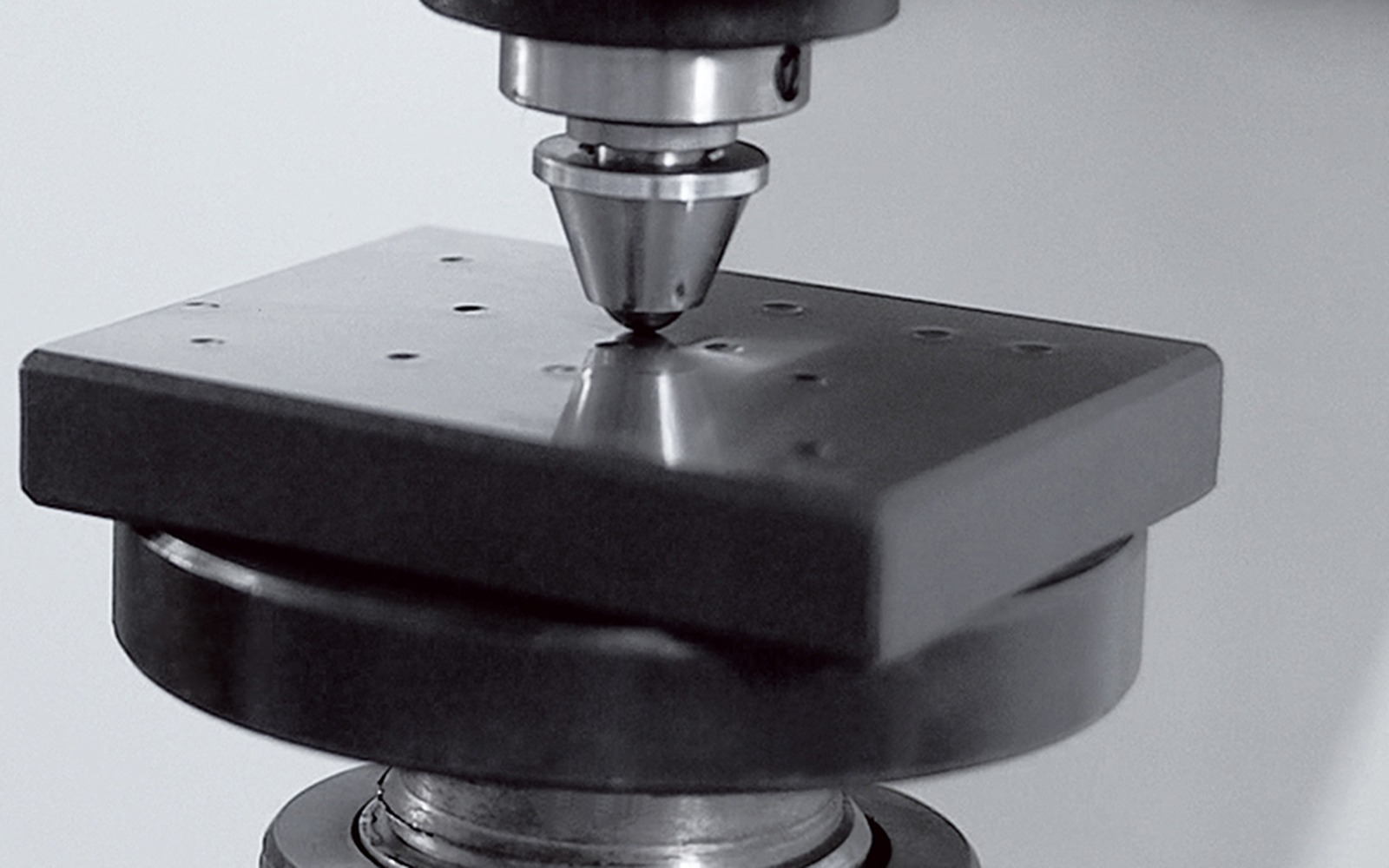
Project Visual
When a part has internal channels, sealing faces, or areas that are difficult to clean consistently, finishing is not just a cosmetic step. Better simulation means fewer trial cycles, better control of cleaning intensity, and earlier visibility into whether the process route will actually suit the part geometry.
Based on recent industry reporting
The Power of Shot-Blast Simulation for Foundries · Foundry Management & Technology
Simulation can test blast coverage before physical trials
Complex castings with channels or hidden surfaces benefit most
Better process prediction helps shorten validation time for new parts
Finishing stability becomes easier to discuss during RFQ or process review
Review Focus
This is a useful signal for buyers comparing suppliers on more than just raw casting capability. It shows how finishing-process planning is becoming part of upstream manufacturing quality control.
Ask whether difficult surfaces or internal passages need special cleaning review
Confirm if finishing consistency affects machining, coating, or sealing performance
Use early drawing review to flag parts that may need more finishing-process attention
Look for suppliers that can discuss process fit, not only final price
Next Step
If this update relates to the parts, material direction, or process questions you are evaluating, continue with one of these more practical project pages.
If this topic connects with your project, send the drawing first so Hongsen can begin the initial technical review.
If consistency, testing scope, and delivery reliability matter most, continue to the quality-control page.
If the project is still at an early evaluation stage, review how Hongsen handles drawing-based OEM RFQs.
Quick Facts
A concise summary of project fit, review scope, and RFQ inputs.
Sourcing Focus
Practical guidance for real sourcing questions
RFQ Starting Point
Drawing, quantity, material direction, and machining notes
Project Handling
Drawing review, process discussion, inspection, and delivery coordination
Best Fit
Overseas OEM buyers, sourcing teams, and engineering reviewers
RFQ Focus
Prepare these inputs so material, casting route, machining, and inspection can be reviewed together.
2D drawing, with 3D files if available
Part application, service condition, and destination market
Material grade or at least material direction
Quantity, annual demand, and trial-order expectation
Machining scope, critical tolerances, and inspection requirements
Buyer FAQ
These questions help turn a general industry article into practical sourcing checks for real metal casting projects.
Because finishing affects cleaning coverage, downstream machining surfaces, coating preparation, and launch speed for new parts. Better process prediction reduces trial-and-error during project start-up.
It matters most for castings with internal channels, hard-to-reach surfaces, or tight finishing consistency requirements, but even simpler parts can benefit when a project needs stable batch repeatability.
Yes. If the drawing or sample already shows cleaning-sensitive features, it is better to raise that during early technical review.
Related Guides
Continue with the relevant material, process, machining, or quality-control topic.
Related Capability Guide
Iron casting quality control guide for OEM buyers looking for inspection scope, machining checks, documentation, and export-oriented review support.
Related Capability Guide
Machined iron castings guide for buyers who need casting plus machining, tolerance review, inspection planning, and export-ready OEM handling.
Related Capability Guide
Drawing-based custom iron castings for OEM buyers, including process review, material selection, machining planning, and inspection support.
RFQ Focus
Send the drawing and application notes so Hongsen can review casting, machining, inspection, and downstream process focus together.