Shijiazhuang Hongsen Smelting & Casting Co., Ltd.Shijiazhuang, Hebei, ChinaDrawing-Based OEM Metal Casting ProgramsSince 2002
Upload drawings, samples and technical specifications for review.Email: wusc9181@gmail.comWhatsApp: +86 18659214412Start RFQ

Project Case Directions

Metal casting references that feel closer to real sourcing conversations

These sections are meant to show the kinds of OEM programs buyers actually review, the early technical checkpoints they usually care about, and what is useful to share before quotation.

Project References

Typical Metal Casting Programs We Commonly Support

Common OEM metal casting programs across materials, process routes and delivery requirements.

Pump and valve casting reference program
Pump & Valve

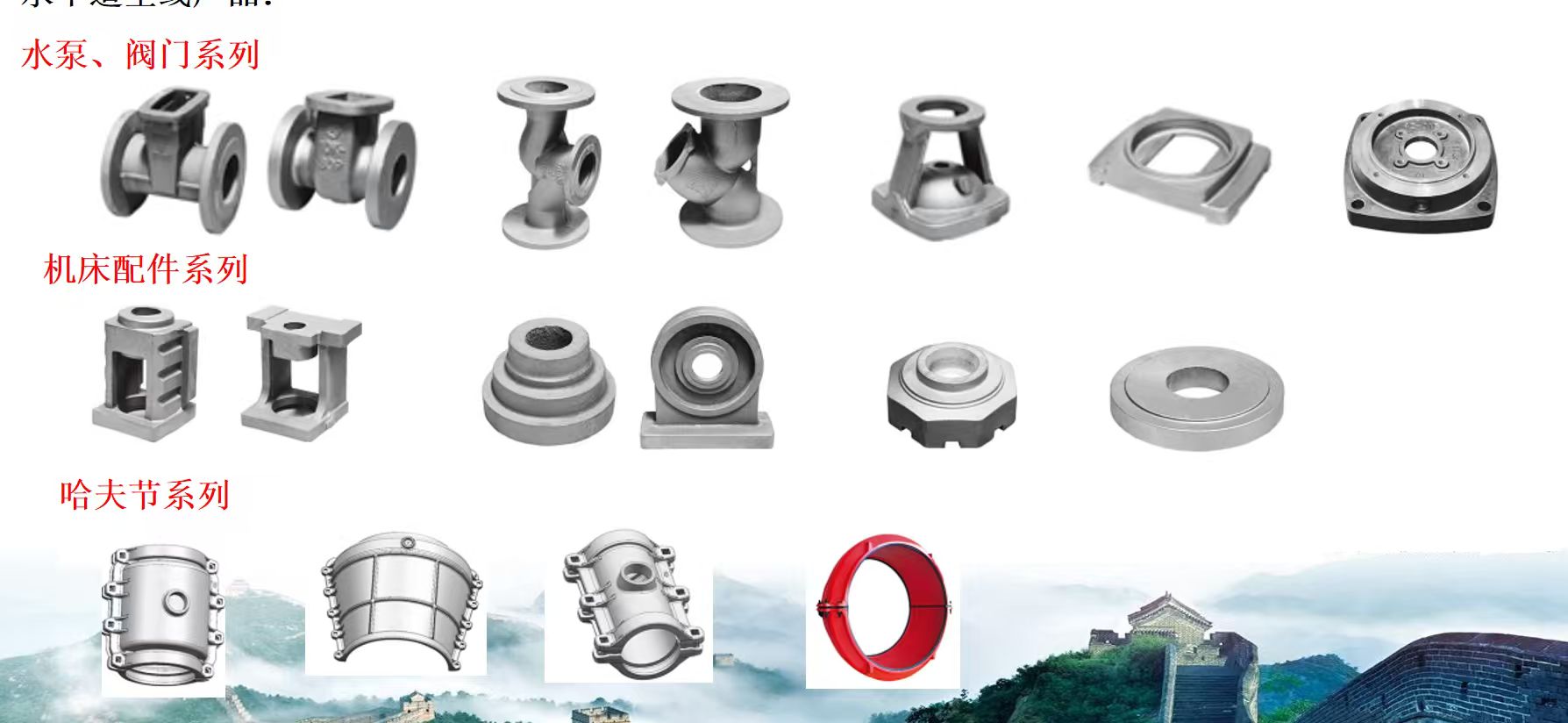
Pump Bodies, Covers and Flow Component Castings

Drawing-based pump and valve parts often require stable material selection, machining allowance review and process matching between resin sand, lost foam or coated sand routes.

Grey iron and ductile iron options based on pressure, rigidity and machining needs

Typical scope includes bodies, covers, impeller-related housings and valve structures

Supply flow can combine casting, machining inspection and export packing preparation
Large machine base casting reference program
Machine Tool

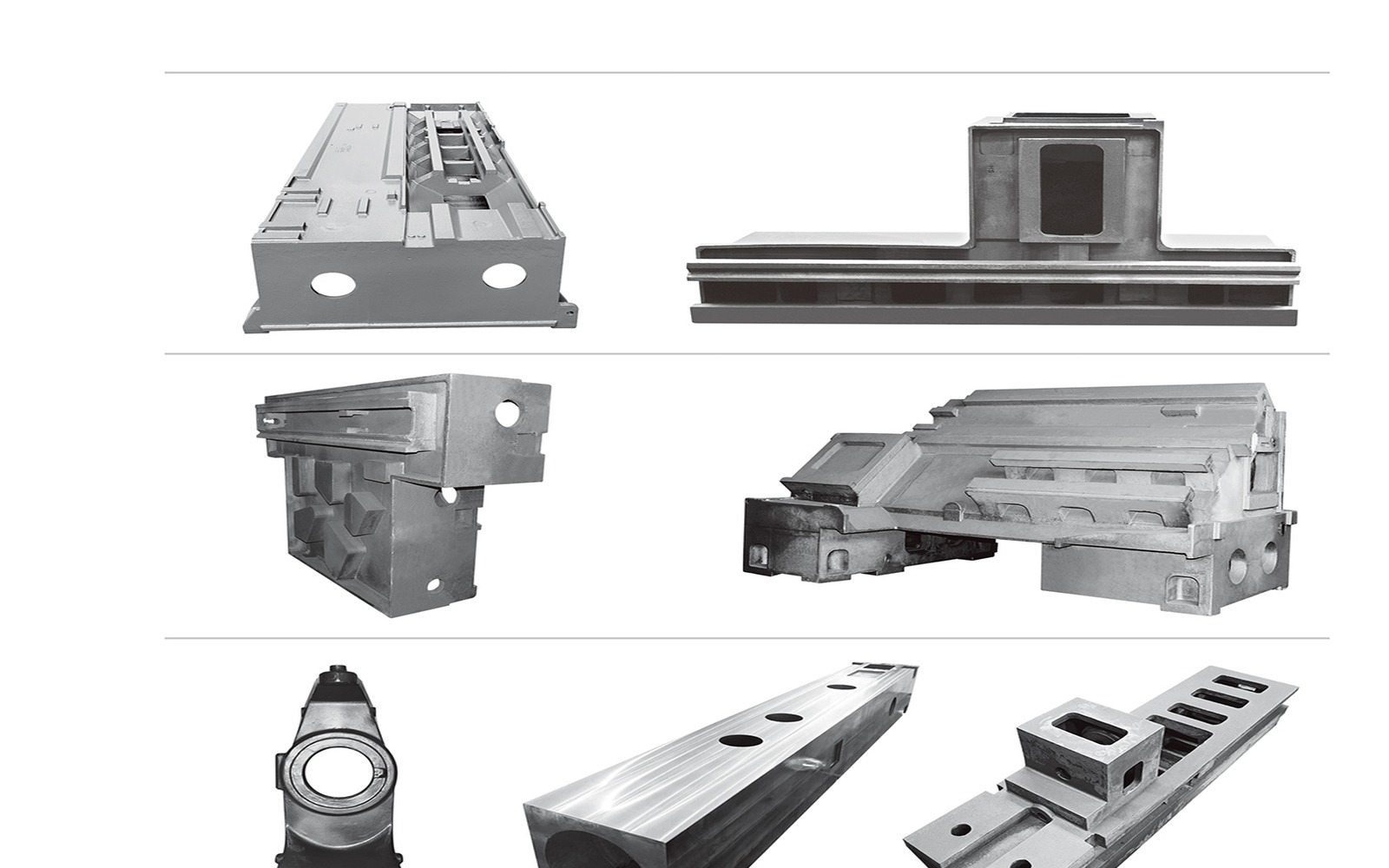
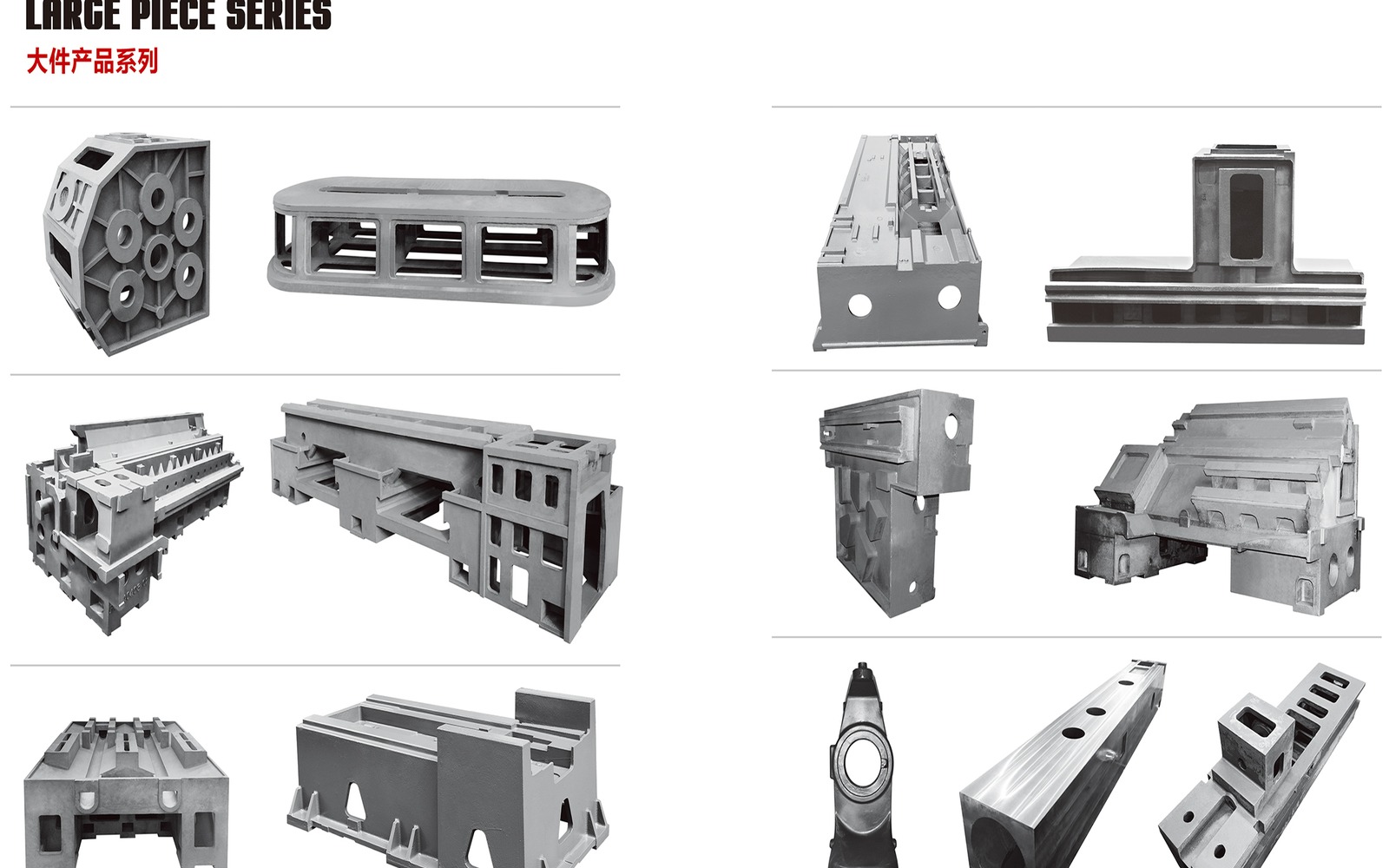
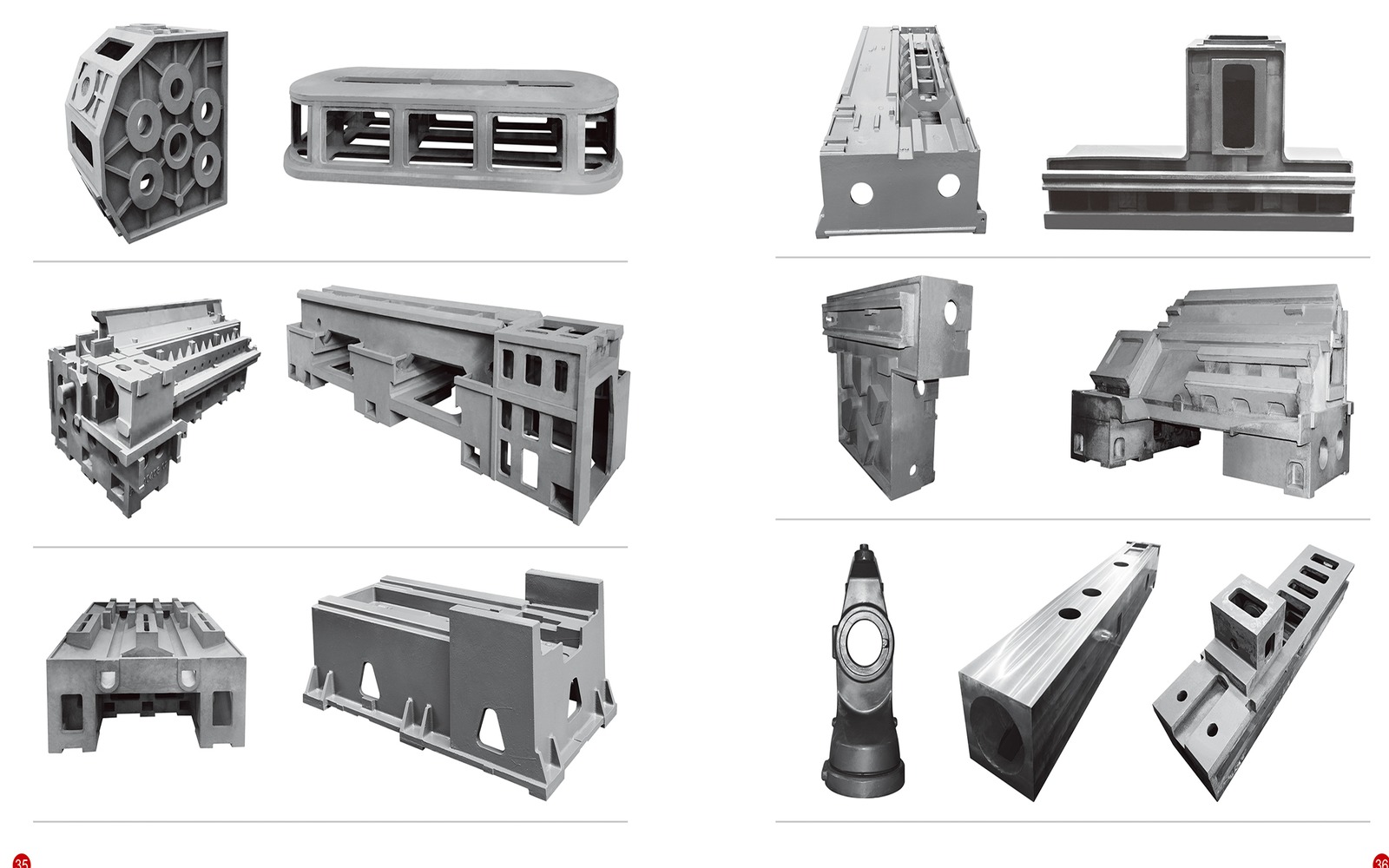
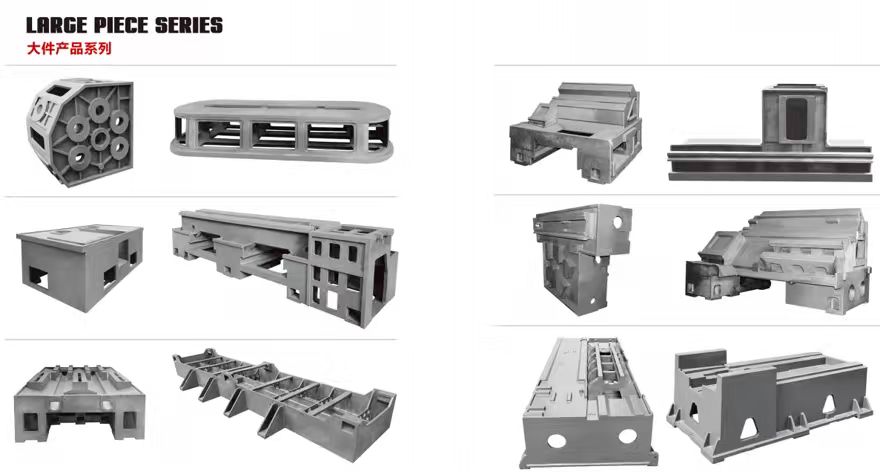
Large Machine Bases and Structural Grey Iron Castings

Machine tool structures and base castings benefit from foundry experience in heavier sections, rigidity-focused geometry and coordinated machining of critical interfaces.

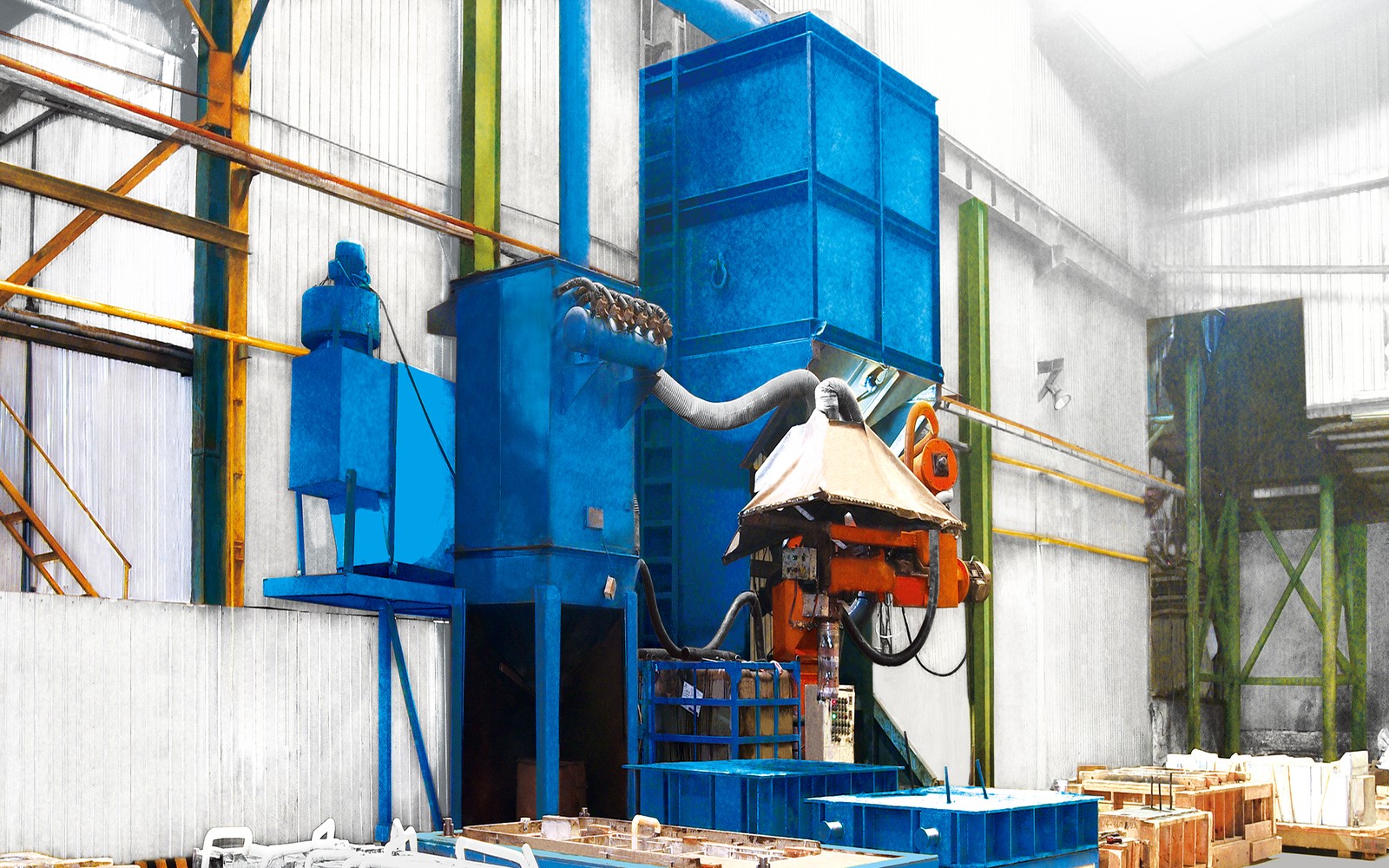
Commonly matched with large lost foam or resin sand casting routes

Suitable for beds, bases, frames and gantry-related structural parts

Often delivered with machining coordination for assembly and alignment surfaces

Wear-resistant casting reference program
Wear Parts

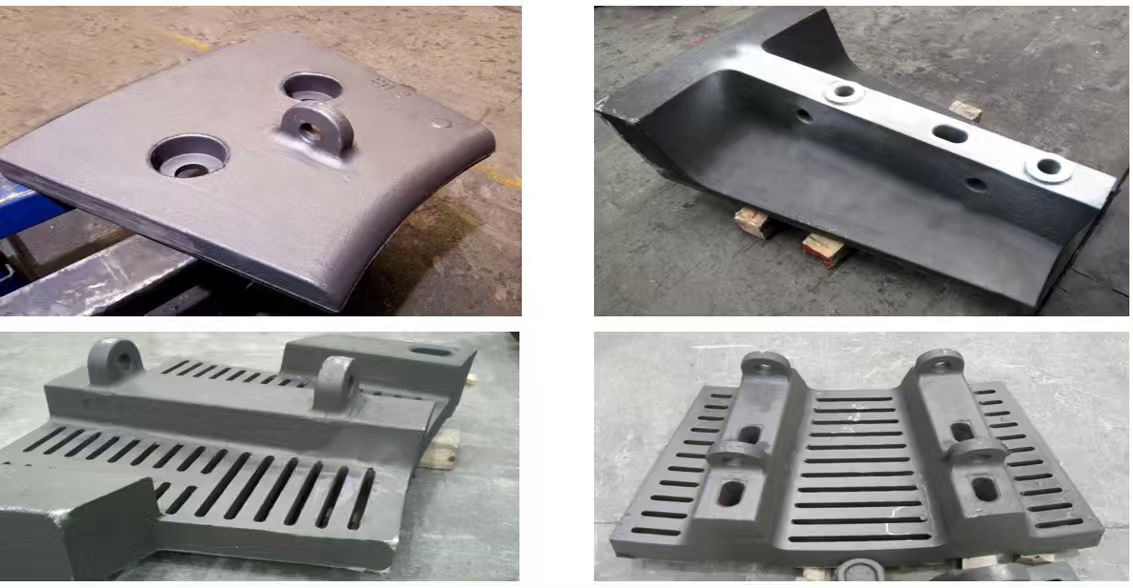
Wear-resistant Iron Parts for Abrasive Service Conditions

For slurry, impact or abrasive media, wear-resistant iron and high chromium casting projects need material review, hardness targets and suitable process selection.

Material review can position wear-resistant iron or high chromium iron grades

Typical applications include liners, sleeves, inserts and heavy-duty wear components

Inspection focus often includes hardness, structure review and final dimensional checks

How Programs Start

How these projects usually move into the first review

Most casting programs do not begin with every detail already fixed. They usually start with a practical technical package, then narrow the material direction, process route, machining scope, and inspection expectations.

Send drawings and service notes first

2D drawings, 3D files, sample photos, service conditions, media, and approximate quantity are often enough to start the first technical screen.

Narrow the material and process route next

The material direction and casting route are then positioned around structure, wall sections, pressure duty, wear conditions, and downstream manufacturing needs.

Align machining and inspection early

The earlier the buyer clarifies machining faces, tolerances, inspection items, and delivery expectations, the easier the RFQ becomes to stabilize.

Program Breakdown

Typical project types and what gets reviewed first

This section is designed to help buyers decide whether it makes sense to send the drawing now, while also giving the website stronger long-term landing-page structure.

Pump metal casting project reference
Pump Casting

Pump bodies, covers and flow-path housings

These programs often care about pressure duty, internal geometry, machining faces, and assembly fit at the same time, so the material direction and process route are usually reviewed together.

Material Focus

Gray iron, ductile iron, and selected cast steel directions are commonly compared first.

Process Focus

Resin sand, lost foam, and coated sand are often part of the early route discussion.

Useful First Package

Useful first inputs include drawings, pressure or media notes, critical machining faces, and expected production volume.

Valve metal casting project reference
Valve Casting

Valve bodies, covers and pressure-bearing structures

Valve-related structures usually bring pressure sections, wall transitions, flange faces, and testing requirements into the review very early, so buyers often want more discipline around material and dimensional control.

Material Focus

Gray iron, ductile iron, and cast steel directions are common starting points before the final grade is fixed.

Process Focus

Resin sand is often compared first for complex or pressure-sensitive structures.

Useful First Package

The first package is stronger when it includes drawings, pressure class, inspection expectations, and key assembly dimensions.

Machine base casting project reference
Machine Base

Machine bases and large structural castings

These programs are rarely only about part weight. Buyers usually care more about rigidity, heavier sections, distortion control, and how later machining will align with the structural geometry.

Material Focus

Gray iron remains common, but the real decision still depends on stiffness targets and downstream machining needs.

Process Focus

Large lost foam and resin sand are usually the first process routes compared around size and batch rhythm.

Useful First Package

A useful first package includes overall size, unit weight, critical machining faces, assembly datums, and annual demand.

Wear-resistant casting project reference
Wear Parts

Wear parts and high-abrasion service components

Wear-part programs move into service-condition and material review earlier than many general castings. Buyers often care about media, impact, hardness, and service-life logic before discussing a final commercial offer.

Material Focus

Wear-resistant iron, high-chromium directions, and related service-driven material choices are often screened first.

Process Focus

The process route usually has to be reviewed together with the material path, dimensional expectations, and any later heat-treatment logic.

Useful First Package

Useful first inputs include wear conditions, media details, hardness targets, and replacement-cycle expectations.

RFQ Focus

If the project looks close to your sourcing need, start with the drawing review

Even if the final grade or route is not fully fixed yet, the drawing and key notes can still be sent first to confirm technical fit.