
Lost foam can be attractive for certain complex shapes and reduced-parting concepts
Process Comparison
Lost Foam Vs Resin Sand Casting: How Buyers Usually Compare The Routes
Buyers do not compare process routes by name alone. They usually need to know which route fits the part structure, wall-thickness logic, size, complexity, batch expectation, machining scope, and downstream quality risk.
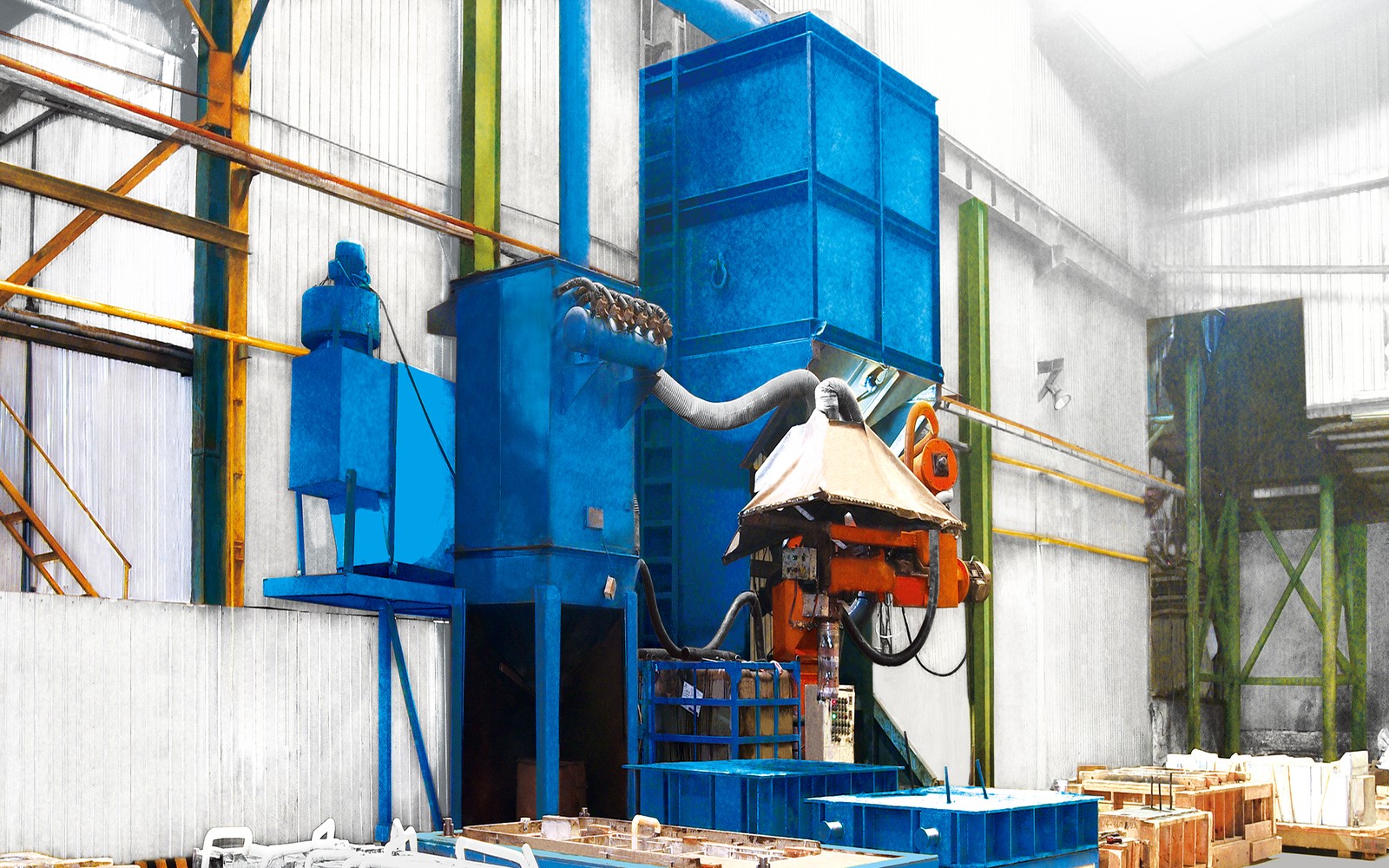
Project Visual
Why This Comparison Matters In Real RFQs
A useful process-comparison guide should help the buyer narrow the route discussion before quotation. It is not about declaring one route universally better; it is about matching the route to the part and project conditions.
Resin sand is often useful when flexibility, route control, and broader part handling are priorities
The right route depends on geometry, wall thickness, machining, quantity, and risk tolerance
Early route discussion can reduce quotation changes later
Project Fit
A Process Comparison Page Should Help Buyers Narrow The Decision First
Buyers do not always need a final yes-or-no answer at the start. More often they need a clear first view of which process route is more likely to suit the geometry, volume stage, and sourcing goal.
Does one route fit the geometry better than the other?
Shape complexity, wall variation, and internal features can make one process easier to manage.
Should prototype and volume stages be judged the same way?
The preferred route for a pilot phase is not always the preferred route for long-term supply.
Is the buyer really optimizing cost, appearance, or consistency first?
The most useful comparison starts with the sourcing goal, not with abstract process marketing.
Review Focus
What Buyers Usually Compare First
This comparison works best when it focuses on practical decision factors instead of abstract process preference.
Part geometry, undercuts, complexity, and wall-thickness distribution
Part size, weight range, and batch expectation
Machining scope, datum logic, and post-casting quality priorities
Project timing, tooling logic, and route-related risk or cost sensitivity
Quick Facts
Project Fit At A Glance
A concise summary of project fit, review scope, and RFQ inputs.
What Buyers Usually Compare
Geometry complexity, surface expectations, batch rhythm, tooling cost, and cleaning logic
Best Fit
OEM teams comparing process routes for new or transferred casting programs
Review Before Quotation
Part geometry, internal structure, dimensional priorities, annual demand, and lead-time plan
Project Relevance
It helps narrow the process direction before the RFQ becomes too broad
Reference Visuals
What A Better Process-Comparison Page Should Show
Instead of relying on abstract claims, show both process directions and connect them back to inspection and project requirements.
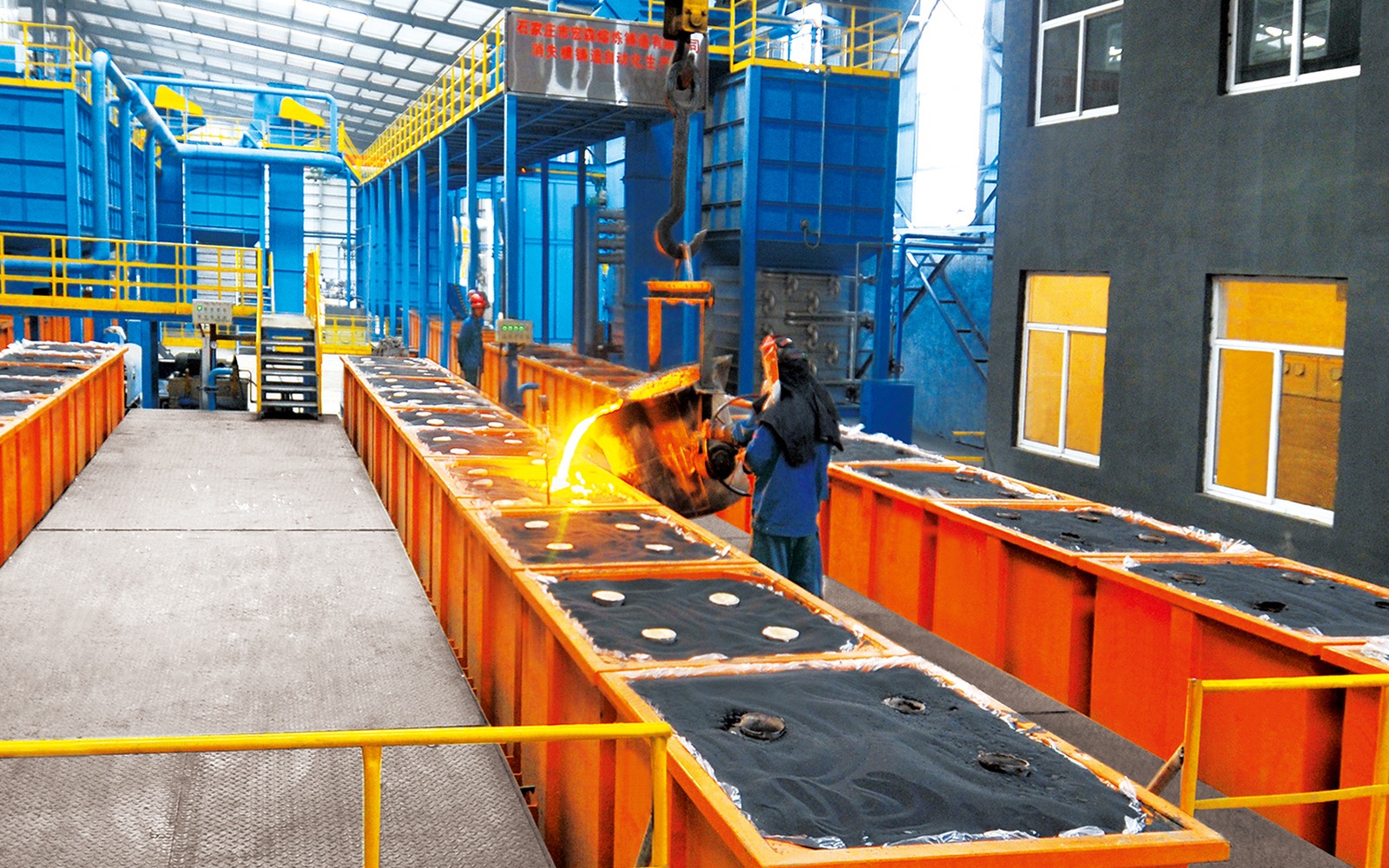
Lost Foam Direction
Builds an intuitive understanding of one process route.
Resin Sand Direction
Gives the buyer a second route to compare against a real project question.
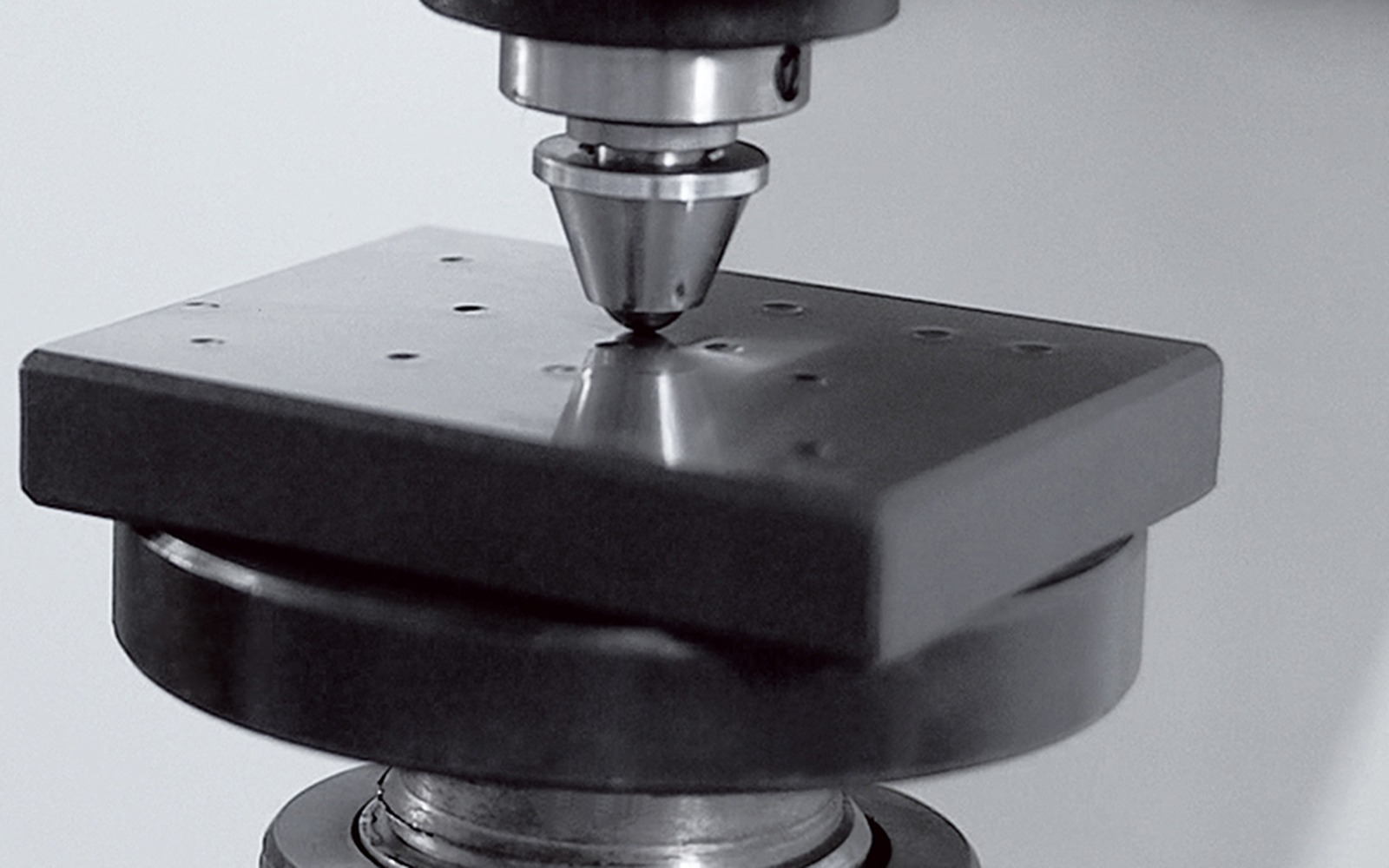
Comparison Must Return To Project Control
The process is only useful if it supports the actual part, machining, and inspection needs.
RFQ Focus
RFQ Package That Moves Review Faster
Prepare these inputs so material, casting route, machining, and inspection can be reviewed together.
2D drawing, with 3D files if available
Part application, service condition, and destination market
Material grade or at least material direction
Quantity, annual demand, and trial-order expectation
Machining scope, critical tolerances, and inspection requirements
Next Step
The Best Way To Compare Processes Is Through The Actual Part
If you are already comparing routes, sending the drawing is usually more efficient than continuing with general process descriptions alone.
Start With A Drawing Review
The earlier Hongsen receives the drawing, quantity plan, material direction, and machining notes, the faster the first review can begin.
Review Manufacturing Capability
Confirm whether the current casting lines, machining support, and export coordination fit the project scope.
Review Quality Control
If consistency, inspection scope, and delivery stability matter most, continue to the quality-control page.
Buyer FAQ
Questions Buyers Ask When Comparing Lost Foam And Resin Sand
These questions help turn process comparison into a better RFQ conversation with the supplier.
Is one route always better than the other?
No. The better route depends on the specific part structure, quantity, machining plan, quality priorities, and project risk profile.
Can the route be discussed before the final quotation?
Yes. It is usually better to discuss route fit from the drawing and project requirements before the quotation is fully fixed.
What should the buyer share for a meaningful comparison?
The drawing, target quantity, part application, material direction, machining scope, and any concerns around complexity or repeatability are the best starting points.
Related Guides
Related Sourcing And Manufacturing Guidance
Continue with the relevant material, process, machining, or quality-control topic.
Related Capability Guide
Lost Foam Casting Factory
Lost foam casting factory guide for buyers comparing process routes, structure fit, machining expectations, and OEM export handling.
Related Capability Guide
Resin Sand Casting Manufacturer
Resin sand casting manufacturer guide for buyers comparing molding routes, part structure fit, machining expectations, and OEM export handling.
Related Capability Guide
Custom Iron Castings By Drawing
Drawing-based custom iron castings for OEM buyers, including process review, material selection, machining planning, and inspection support.
RFQ Focus
Need Help Comparing Lost Foam And Resin Sand For Your Part?
Send the drawing and project notes so Hongsen can review which route is more suitable before quotation.