
Good suppliers explain project fit before they push price only
Buyer Decision Guide
How Buyers Usually Choose A Metal Casting Supplier For OEM Projects
Most buyers are not just comparing prices. They are trying to judge whether the supplier can review drawings clearly, match the right route, coordinate machining and inspection, communicate reliably, and support ongoing OEM supply after sampling.
Project Visual
What A Buyer Should Evaluate Before Sending More RFQs
A useful supplier-choice guide should help narrow the shortlist. It should explain what to check before the project reaches tooling, trial order, or repeat-batch supply.
Drawing review quality is often a stronger signal than broad marketing claims
Machining, inspection, and export coordination reduce downstream handoff risk
Communication discipline matters as much as casting capability in repeat OEM work
Project Fit
The Most Useful Supplier Screening Usually Starts With Three Things
Many supplier websites look similar. The real difference shows up when a supplier has to interpret the drawing, discuss the route, and explain how quality and delivery will be managed.
Can the supplier begin with a real drawing review?
A strong supplier does more than say “welcome to inquire.” They identify geometry, material, and process questions early.
Can machining, inspection, and delivery coordination follow the casting scope?
Many OEM projects fail not at pouring, but at the support steps around it.
Does the first response show real project experience?
Good suppliers usually point out key risks and decision points in the first technical exchange.
Review Focus
What Buyers Commonly Check When Comparing Suppliers
The best supplier comparisons stay practical. Buyers usually want clearer evidence, not bigger claims.
Whether the supplier can review drawings, structure, and route feasibility clearly
Whether material direction, machining scope, and inspection logic can be discussed early
Whether communication is organized, realistic, and technically useful
Whether the supplier can support trial orders, revisions, and repeat-batch coordination
Quick Facts
Project Fit At A Glance
A concise summary of project fit, review scope, and RFQ inputs.
What Buyers Usually Screen
Drawing review quality, process fit, machining support, quality control, and export coordination
Best Fit
OEM buyers and engineering teams screening new or backup foundry suppliers
Project Relevance
It helps buyers use project-based criteria instead of broad supplier claims
Fastest Way To Compare
Send one real drawing and review the first response quality
Reference Visuals
What A Supplier-Selection Page Should Actually Show
The page should show factory reality, application direction, and inspection discipline, not just broad slogans.
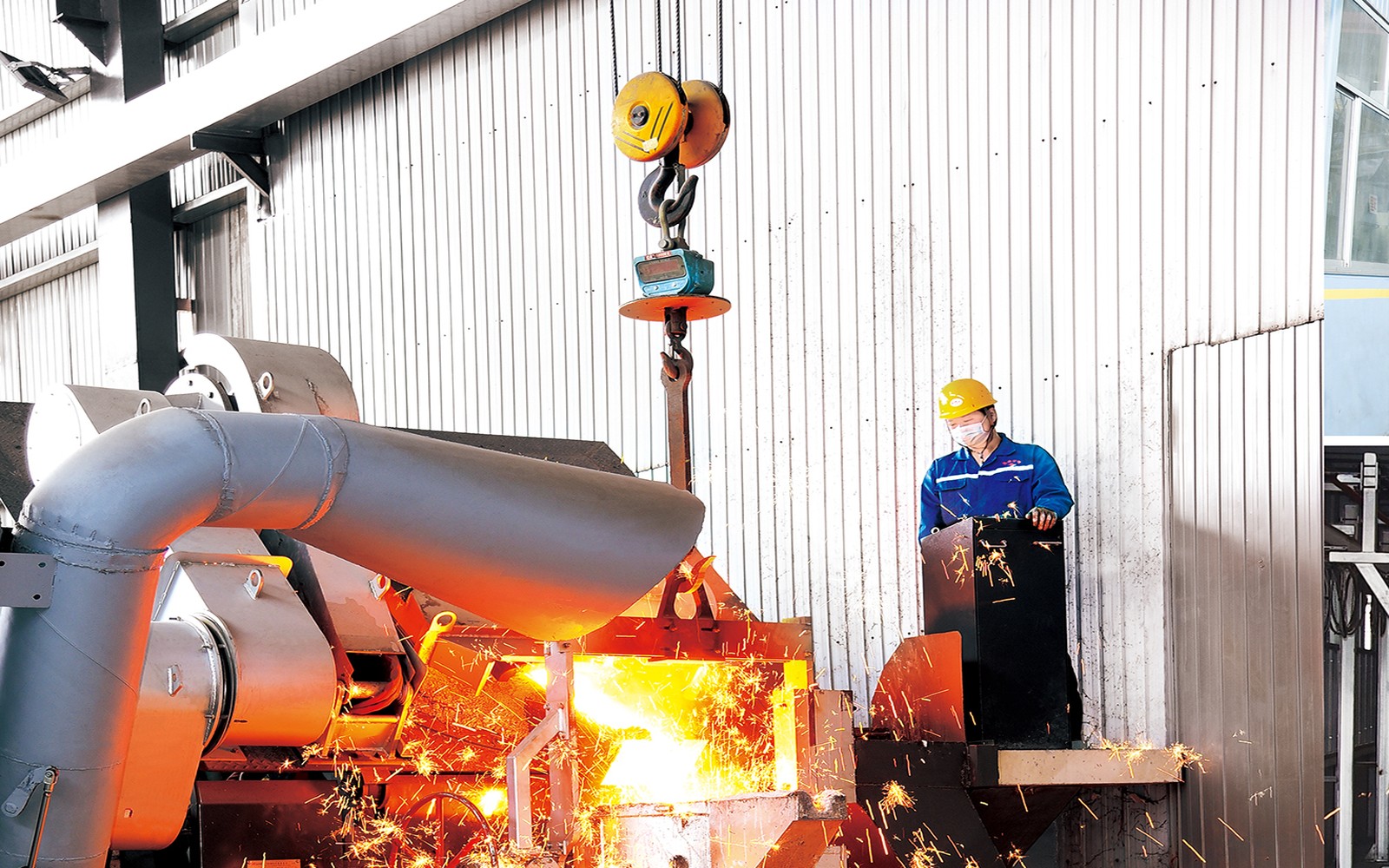
Factory And Manufacturing Foundation
The first layer is whether the supplier appears to have real production grounding.
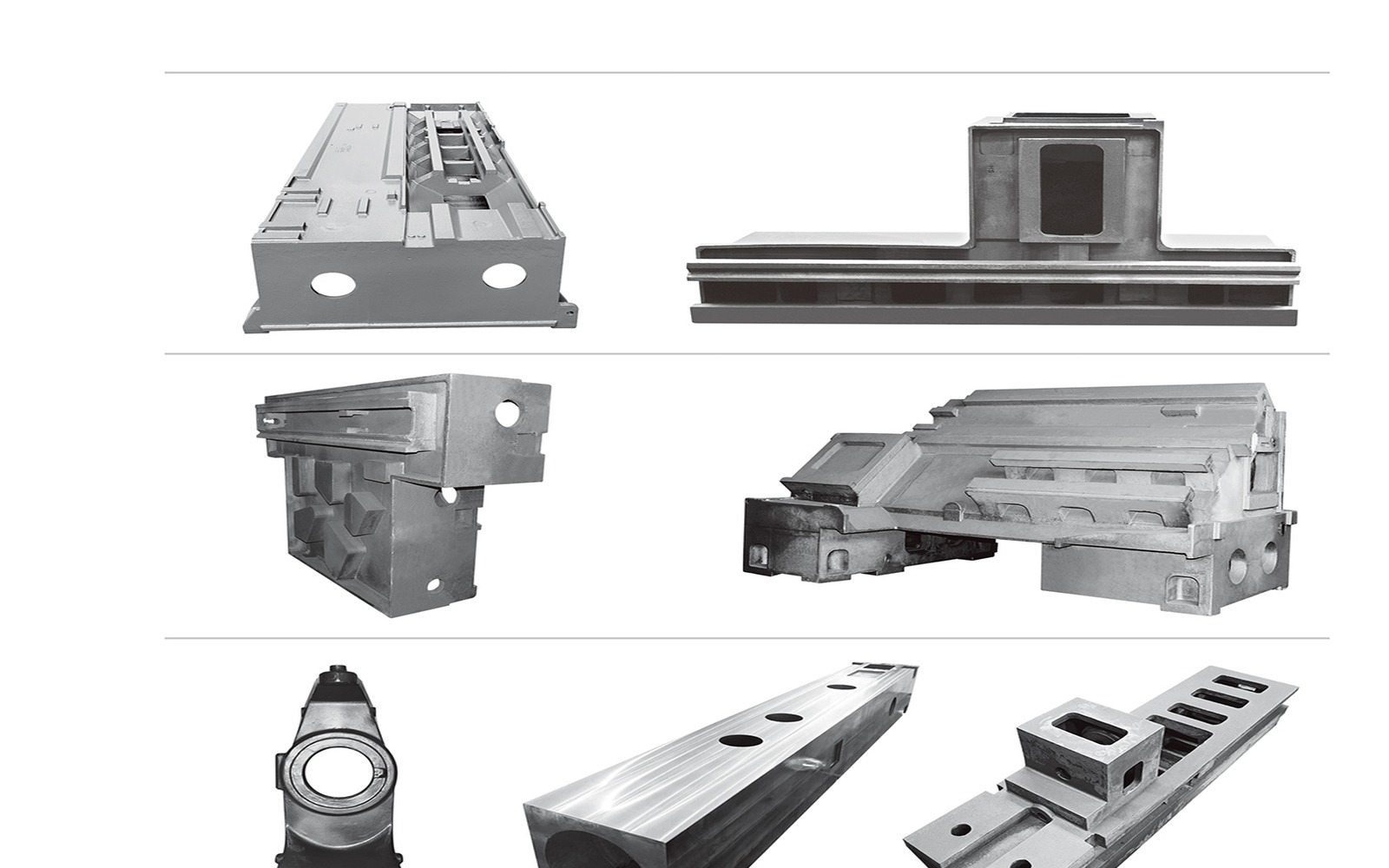
Application And Product Direction
Buyers want to see whether the supplier already fits similar part types.
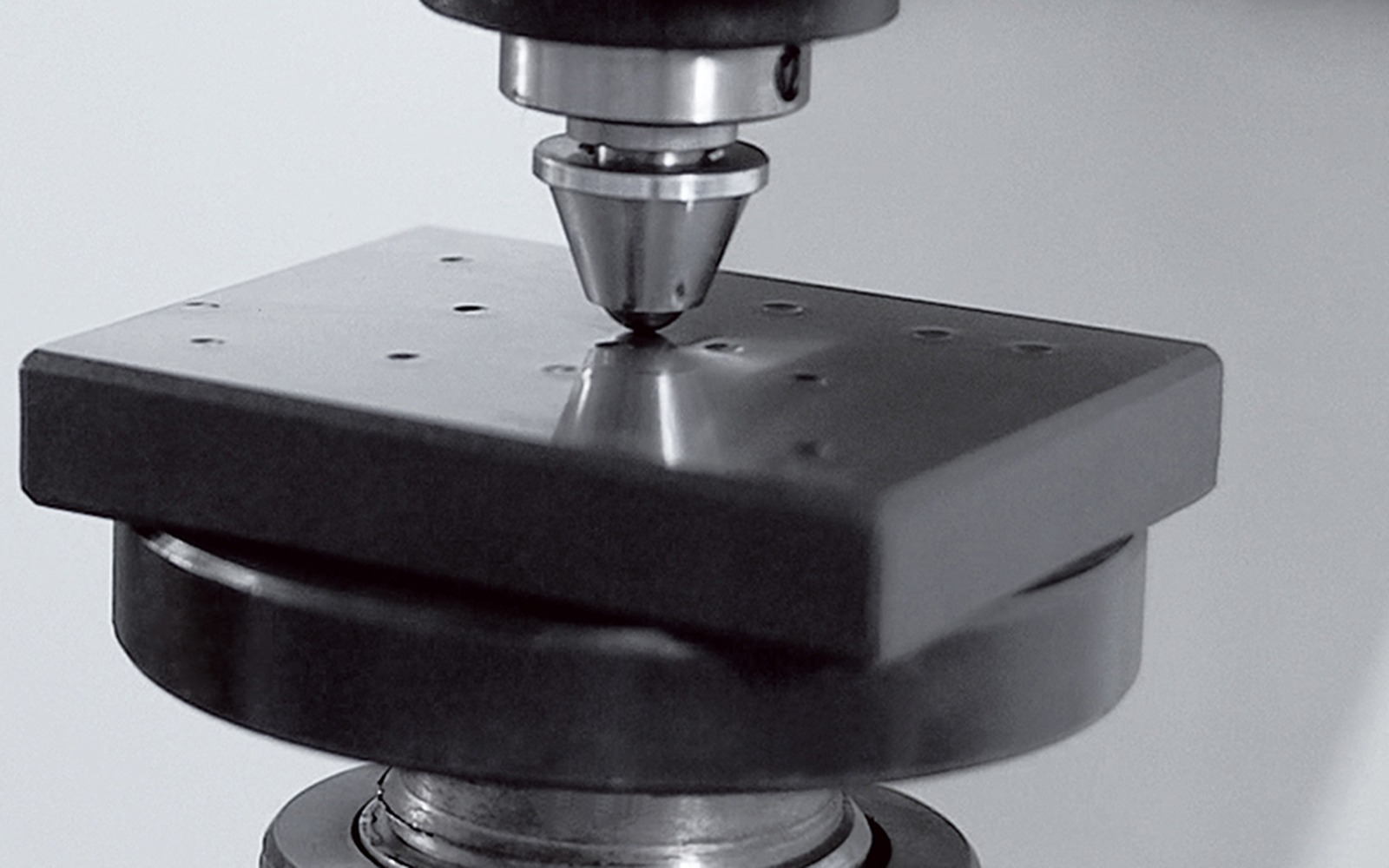
Inspection And Consistency Discipline
Useful for judging whether the supplier can support projects, not only presentations.
RFQ Focus
RFQ Package That Moves Review Faster
Prepare these inputs so material, casting route, machining, and inspection can be reviewed together.
2D drawing, with 3D files if available
Part application, service condition, and destination market
Material grade or at least material direction
Quantity, annual demand, and trial-order expectation
Machining scope, critical tolerances, and inspection requirements
Next Step
Real Supplier Comparison Starts With A Real Project
If you already have a drawing or sample direction, use it in the first review. That usually reveals more than another round of general introductions.
Start With A Drawing Review
The earlier Hongsen receives the drawing, quantity plan, material direction, and machining notes, the faster the first review can begin.
Review Manufacturing Capability
Confirm whether the current casting lines, machining support, and export coordination fit the project scope.
Review Quality Control
If consistency, inspection scope, and delivery stability matter most, continue to the quality-control page.
Buyer FAQ
Questions Buyers Ask When Choosing A Casting Supplier
These questions are useful for RFQ preparation and for comparing suppliers more effectively.
Should buyers choose a foundry only by the lowest quotation?
Usually no. Buyers often need to consider route fit, machining support, inspection handling, communication quality, and repeat-supply stability as well.
What is a strong early signal from a supplier?
A clear drawing review, practical technical questions, realistic timing, and organized follow-up are usually stronger signals than a very broad capability list.
Why does communication discipline matter so much?
Because OEM projects often change during review. A supplier that handles revisions, clarifications, and next steps clearly is easier to work with over time.
Related Guides
Related Sourcing And Manufacturing Guidance
Continue with the relevant material, process, machining, or quality-control topic.
Related Capability Guide
Custom Iron Castings By Drawing
Drawing-based custom iron castings for OEM buyers, including process review, material selection, machining planning, and inspection support.
Related Capability Guide
Iron Casting Quality Control
Iron casting quality control guide for OEM buyers looking for inspection scope, machining checks, documentation, and export-oriented review support.
Related Capability Guide
Machined Iron Castings
Machined iron castings guide for buyers who need casting plus machining, tolerance review, inspection planning, and export-ready OEM handling.
RFQ Focus
Need A Practical Review Of Your Current Casting RFQ?
Upload the drawing and project notes so Hongsen can review the part, route fit, machining scope, and inspection priorities before quotation.