
Based on recent industry reporting
DARPA Project Rooted in Metalcasting · Foundry Management & Technology
Industry Update | April 2026
A recent Foundry Management & Technology report on a DARPA-backed program showed how casting, alloy characterization, and AI-assisted design are being explored for portable production environments. The story is defense-oriented, but the broader takeaway is that casting remains relevant when buyers need adaptable production routes rather than one rigid supply path.
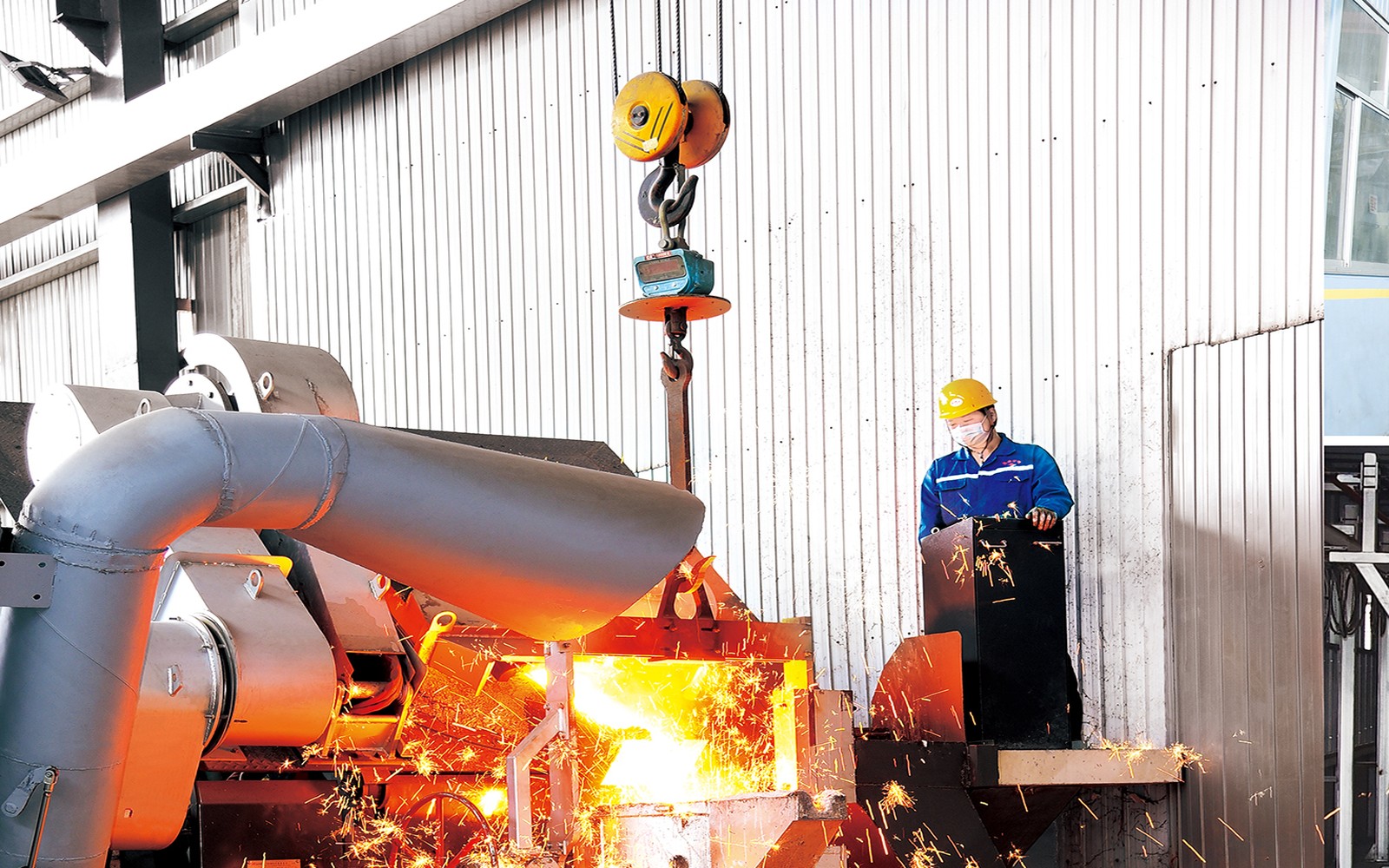
Project Visual
Even if a buyer is sourcing industrial, agricultural, pump, or valve components rather than military hardware, the trend is still important. It reinforces the value of casting as a flexible route for new designs, replacement supply, and projects where tooling, alloy behavior, or route feasibility must be reviewed early.
Based on recent industry reporting
DARPA Project Rooted in Metalcasting · Foundry Management & Technology
Casting is still being chosen for flexible and difficult manufacturing conditions
Alloy behavior and design-for-casting review remain central technical questions
Portable or decentralized production concepts increase interest in adaptable casting routes
AI support is being tested as a decision aid, not as a substitute for engineering review
Review Focus
The main message is not that every supplier should promise instant automation. It is that robust foundry knowledge, process adaptability, and material review are becoming even more valuable in uncertain supply environments.
Discuss whether your part needs route flexibility for future design or supply-chain changes
Review alloy behavior and wall-thickness logic early if the geometry is unusual
Use digital tools to support review speed, while keeping human engineering judgment in the loop
Ask whether the supplier can handle both early review and later batch supply stability
Next Step
If this update relates to the parts, material direction, or process questions you are evaluating, continue with one of these more practical project pages.
If this topic connects with your project, send the drawing first so Hongsen can begin the initial technical review.
If consistency, testing scope, and delivery reliability matter most, continue to the quality-control page.
If the project is still at an early evaluation stage, review how Hongsen handles drawing-based OEM RFQs.
Quick Facts
A concise summary of project fit, review scope, and RFQ inputs.
Sourcing Focus
Practical guidance for real sourcing questions
RFQ Starting Point
Drawing, quantity, material direction, and machining notes
Project Handling
Drawing review, process discussion, inspection, and delivery coordination
Best Fit
Overseas OEM buyers, sourcing teams, and engineering reviewers
RFQ Focus
Prepare these inputs so material, casting route, machining, and inspection can be reviewed together.
2D drawing, with 3D files if available
Part application, service condition, and destination market
Material grade or at least material direction
Quantity, annual demand, and trial-order expectation
Machining scope, critical tolerances, and inspection requirements
Buyer FAQ
These questions help connect a high-level manufacturing story with practical RFQ decisions.
It shows that casting is still valued when flexibility, alloy evaluation, and route adaptability matter. Those same strengths are useful in industrial OEM sourcing.
No. In practice, AI is being tested to support data handling and design checks, while final route decisions still depend on engineering judgment.
Yes. Buyers still benefit when a supplier can discuss design feasibility, alloy fit, and route options early rather than only replying with a price.
Related Guides
Continue with the relevant material, process, machining, or quality-control topic.
Related Capability Guide
Drawing-based custom iron castings for OEM buyers, including process review, material selection, machining planning, and inspection support.
Related Capability Guide
Resin sand casting manufacturer guide for buyers comparing molding routes, part structure fit, machining expectations, and OEM export handling.
Related Capability Guide
Machined iron castings guide for buyers who need casting plus machining, tolerance review, inspection planning, and export-ready OEM handling.
RFQ Focus
Send the drawing and service-condition notes so Hongsen can review route fit, material direction, machining scope, and inspection focus.