
D'après des informations sectorielles récentes
Quality Control In Performance-Critical Castings · Haworth Castings
Quality Control Guide | June 2026
Recent foundry guidance continues to emphasize that casting quality is not only a final inspection step. For OEM buyers, quality control should begin when the drawing is reviewed: material direction, casting route, machining allowance, critical dimensions, inspection scope, and repeat-batch feedback all affect whether a quotation is realistic.
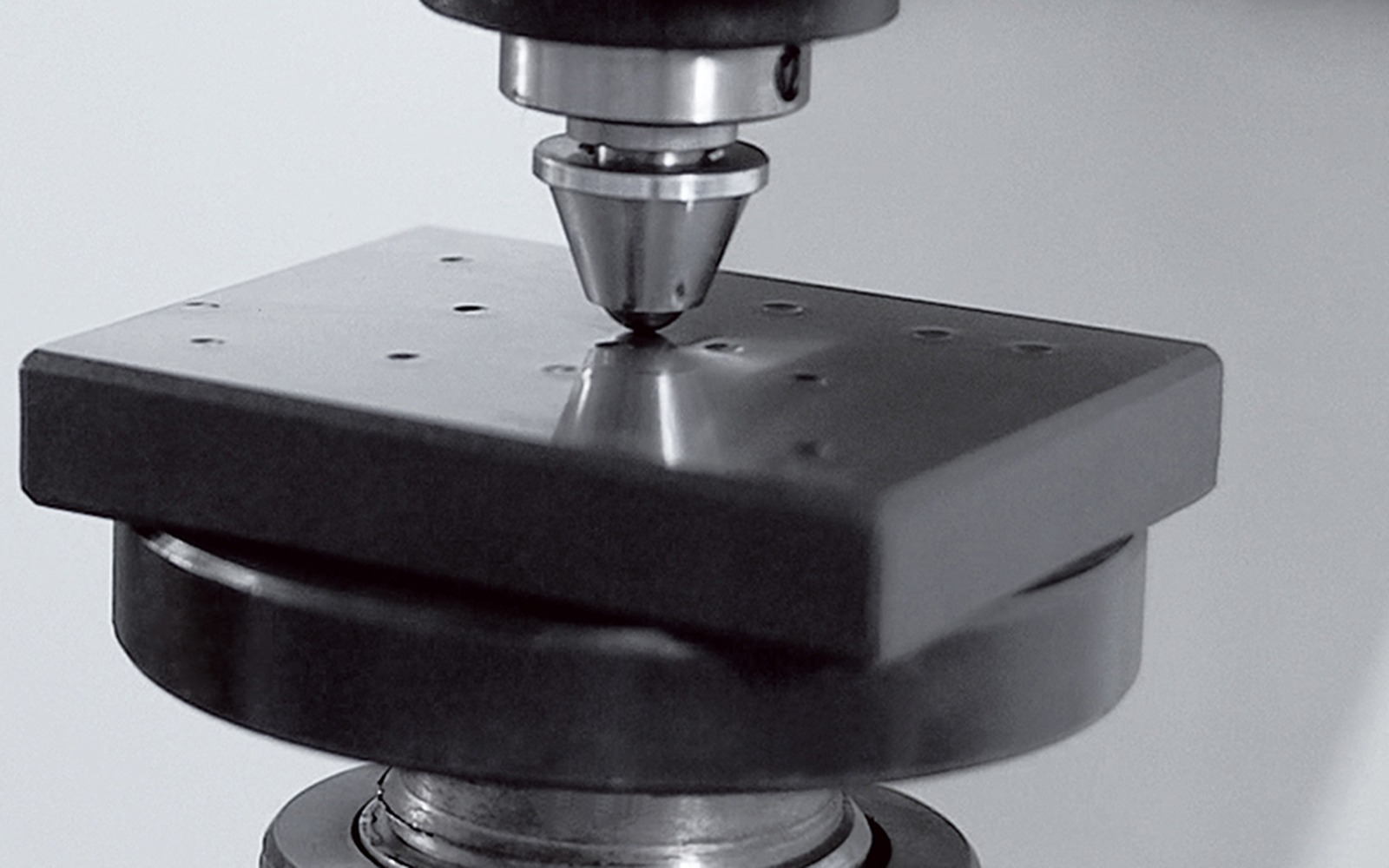
Visuel du projet
A March 2026 Haworth Castings article describes quality control as a system that includes design choices, process discipline, verification, and continuous improvement. For drawing-based OEM castings, the buyer lesson is direct: do not wait until production to discuss quality. Put quality expectations into the first RFQ package.
D'après des informations sectorielles récentes
Quality Control In Performance-Critical Castings · Haworth Castings
Quality control should connect drawing review, material direction, casting route, machining, and inspection
Critical dimensions, sealing faces, bores, datum areas, hardness, and material checks should be identified before quotation
Process control matters because casting variation can affect machining, fit, inspection, and repeat orders
A stronger RFQ package helps the foundry reply with practical technical questions instead of only a unit price
Points de revue
A quality-focused RFQ does not need to be complicated. It should make the important risks visible early enough for both buyer and foundry to discuss them before tooling, trial order, or batch production.
Drawing package: 2D drawing, 3D model if available, revision status, and sample photos
Functional risk: load, wear, pressure, heat, corrosion, sealing, mounting, or vibration conditions
Machining and datums: machined faces, bores, bearing seats, keyways, datum surfaces, and tolerance notes
Inspection scope: material certificate, dimensional report, hardness, surface checks, and buyer-specific report format
Repeat supply: annual demand, trial order plan, packing requirements, and feedback loop for future batches
En bref
Résumé du type de projet, du périmètre d'étude et des données RFQ.
Priorité achat
Informations pratiques pour des besoins d'achat réels
Point de départ RFQ
Plan, quantité, orientation matière et notes d'usinage
Traitement du projet
Revue de plan, procédé, contrôle et coordination de livraison
Pour qui
Acheteurs OEM, équipes sourcing et bureaux d'études
Priorités RFQ
Préparez ces éléments pour examiner ensemble matière, moulage, usinage et contrôle.
Plan 2D et fichier 3D s'il est disponible
Application, conditions de service et marché de destination
Nuance matière ou au moins orientation matière
Quantité, besoin annuel et commande d'essai
Usinage, tolérances critiques et exigences de contrôle
Buyer FAQ
These questions help sourcing and engineering teams turn quality expectations into practical RFQ information.
Yes. For OEM castings, material checks, critical dimensions, machining faces, hardness, inspection reports, and packing requirements can affect the casting route and quotation. They should be discussed before the quote is finalized.
Mark critical dimensions, machined faces, sealing surfaces, bores, datum areas, material grade, hardness range if required, and inspection or reporting expectations.
Many casting quality issues become visible during machining. If allowance, datums, distortion risk, or inspection points are not reviewed early, the project may pass rough casting checks but fail dimensional or assembly requirements later.
A useful reply should confirm whether the drawing package is enough to review, ask about missing quality or machining points, and explain the likely material, casting route, inspection, and quotation direction.
Priorités RFQ
Upload the drawing, sample photos, machining notes, critical dimensions, and inspection expectations so Hongsen can review material direction, casting route, machining scope, and quality-control focus.