Based on recent industry reporting
Quarterly Metalcasters Outlook Survey Shows Increasing Optimism Among Foundry Leaders · American Foundry Society
Sourcing Guide | June 2026
The 2026 foundry market is showing stronger confidence, but buyers still face cost pressure, workforce limits, and capacity planning questions. For drawing-based OEM castings, the safest supplier decision is not based on price alone. It starts with whether the foundry can review the drawing, explain process fit, and support machining, inspection, and delivery follow-up.
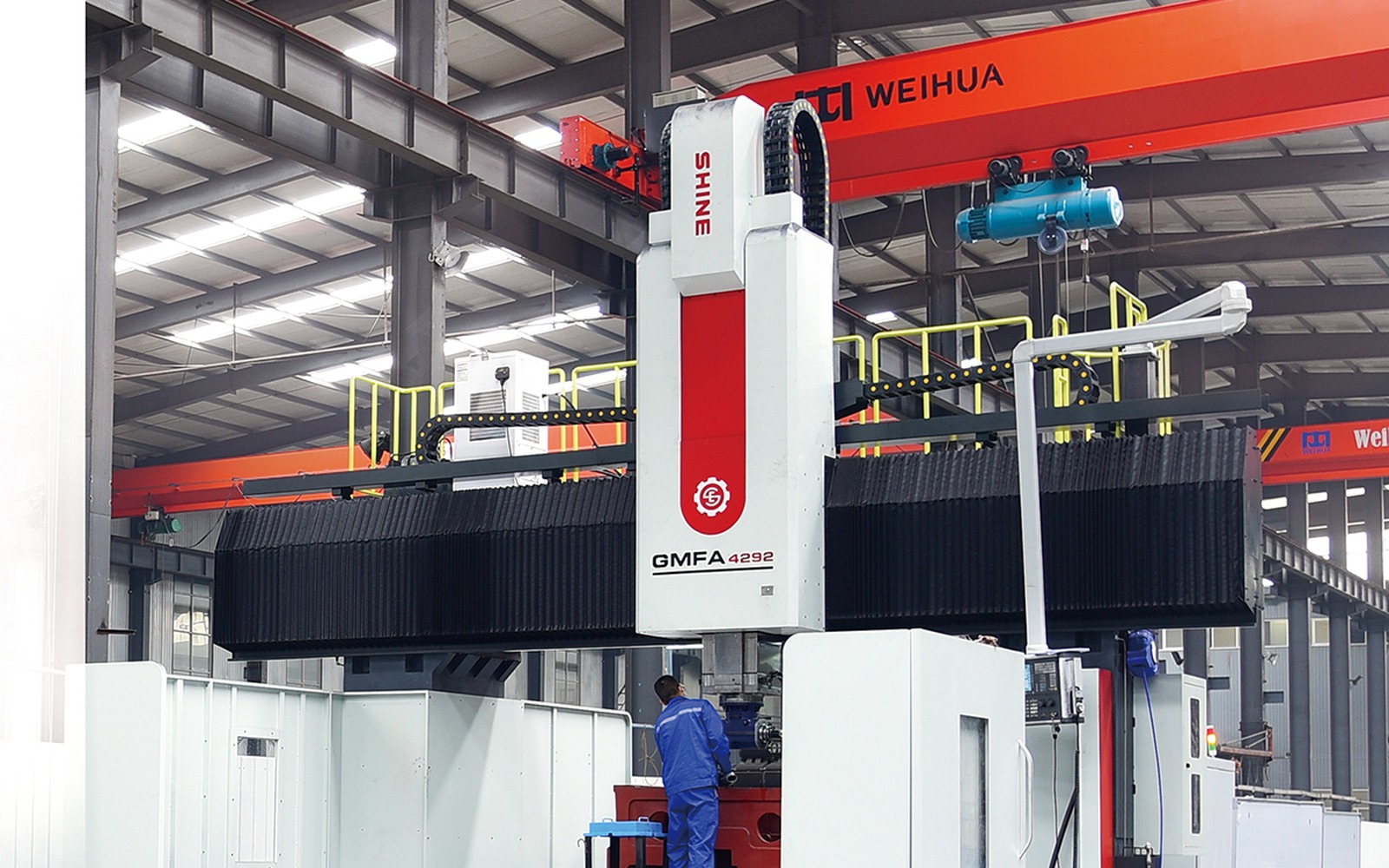
Factory Visual
A March 2026 American Foundry Society survey reported stronger optimism among foundry leaders, while still noting pressure from inflation, materials, energy, insurance, labor, and demand uncertainty. For OEM buyers, this means RFQs should be prepared clearly and reviewed with suppliers that can communicate technical risk early.
Based on recent industry reporting
Quarterly Metalcasters Outlook Survey Shows Increasing Optimism Among Foundry Leaders · American Foundry Society
A stronger foundry market can make capacity and lead-time discussion more important
Early drawing review helps reveal casting-route, material, and machining risks
Suppliers should explain what they can review before quoting, not only give a unit price
Inspection, machining, packing, and export coordination should be discussed before trial orders
RFQ Focus
A good drawing-based casting supplier should make the buyer feel that the project is being understood technically. The first reply should clarify the part, the process direction, and the missing information needed for a serious quotation.
Ask what the supplier reviews from a 2D drawing, 3D model, or sample photo
Confirm which process routes may fit the part geometry and expected quantity
Check whether machining allowance, critical dimensions, and inspection reports can be discussed early
Ask how the supplier handles drawing revisions, trial orders, annual demand, and export packing
Look for clear questions from the supplier; vague fast pricing can hide technical risk
Quick Facts
These summary blocks explain the suitable project type, review focus, and information buyers should prepare before RFQ.
Sourcing Focus
Practical guidance for real sourcing questions
Best RFQ Starting Point
Drawing, quantity, material direction, and machining notes
Project Handling
Drawing review, process discussion, inspection, and delivery coordination
Best Fit
Overseas OEM buyers, sourcing teams, and engineering reviewers
RFQ Focus
This section explains what to prepare for RFQ so Hongsen can review material direction, casting route, machining scope, and inspection requirements faster.
2D drawing, with 3D files if available
Part application, service condition, and destination market
Material grade or at least material direction
Quantity, annual demand, and trial-order expectation
Machining scope, critical tolerances, and inspection requirements
Buyer FAQ
These questions help buyers prepare a better RFQ and help sourcing teams compare suppliers more consistently.
A reliable supplier asks practical questions about geometry, material direction, quantity, machining scope, inspection expectations, and delivery timing before treating the RFQ as a simple price request.
Yes. A supplier can often start by reviewing application, load, wear, heat, corrosion, and machining needs, then discuss whether gray iron, ductile iron, cast steel, or a wear-resistant grade may fit better.
Many OEM castings fail commercially because machining allowance, datums, sealing faces, bores, or inspection points were not discussed early enough. Casting and machining should be reviewed together when the part requires controlled dimensions.
The most useful starting package includes a 2D drawing or 3D model, part application, material direction, quantity, annual demand, machining notes, inspection requirements, and destination or packing expectations.
Related Guides
Buyers can continue reviewing related material, process, machining, and quality-control capabilities.
Related Capability Guide
A practical OEM buyer guide explaining why machining allowance, datum faces, sealing surfaces, bores, inspection points, and casting route review should be discussed before quoting machined castings.
Related Capability Guide
Drawing-based custom iron castings for OEM buyers, including process review, material selection, machining planning, and inspection support.
Related Capability Guide
Practical RFQ preparation guide covering drawings, 3D files, material direction, quantity, machining notes, inspection expectations, and project details that help a casting review move faster.
Related Capability Guide
A Hongsen industry update on resilience in manufacturing and why buyers are increasingly looking at cost visibility, scheduling realism, process coordination, and supply continuity when qualifying casting suppliers.
RFQ Focus
Upload your drawing, sample photos, quantity plan, machining notes, and inspection requirements so Hongsen can review material direction, casting route, machining scope, and quotation readiness.