
Lost foam casting is often discussed for more integrated geometry, cavity-rich structures, and repeatable housing-type parts
Casting Route Comparison
Lost Foam Casting vs Resin Sand Casting: How Buyers Should Compare The Routes
When an OEM buyer sends a drawing, the question is rarely only material grade. Part geometry, wall section, size, machining allowance, batch plan, and inspection expectations often decide whether lost foam casting, resin sand casting, or another route should be reviewed first.
Publicado: 21 de junio de 2026
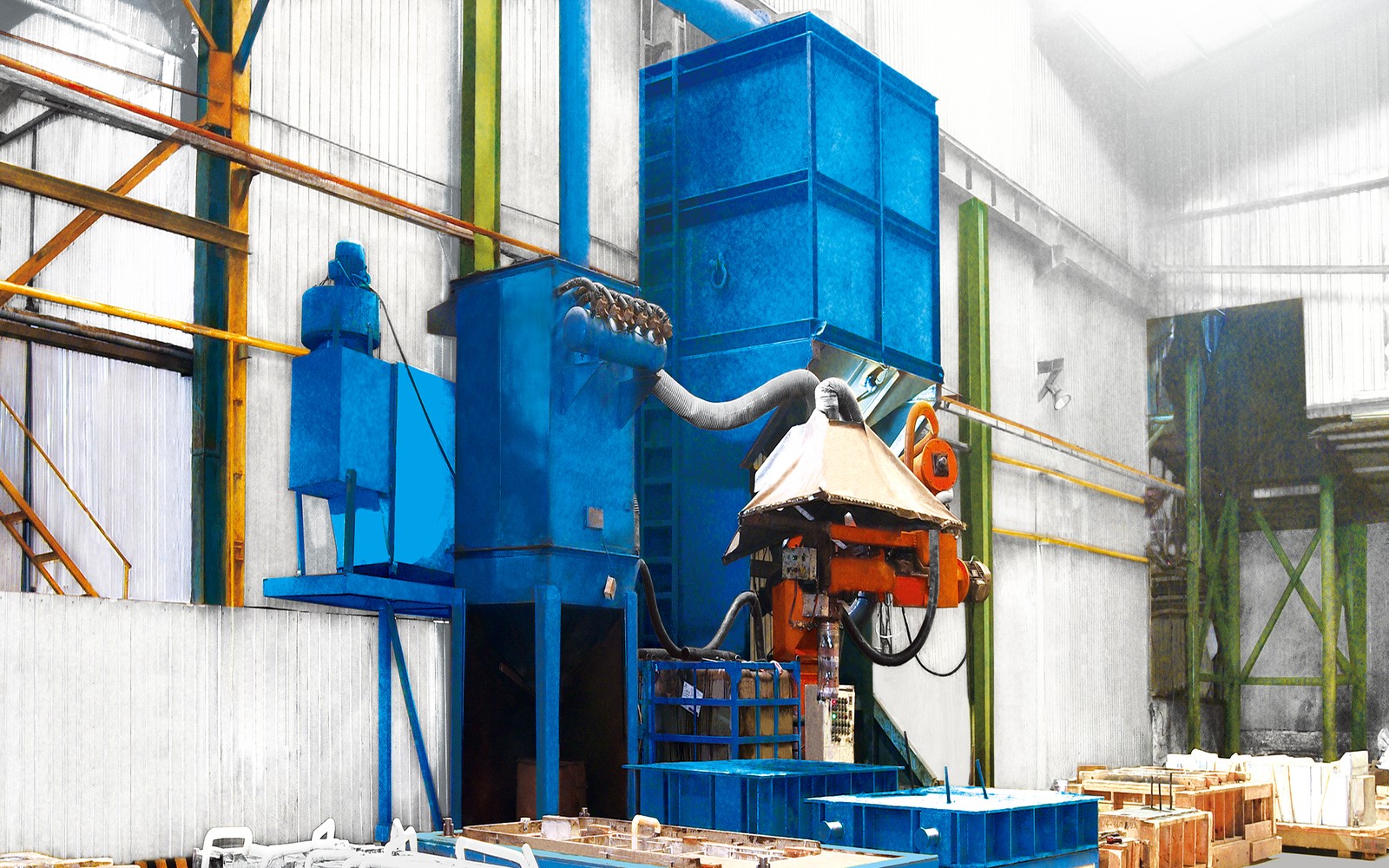
Imagen del proyecto
The Useful Comparison Starts From The Part, Not The Process Name
Lost foam casting and resin sand casting can both support industrial metal parts, but they are not interchangeable slogans. A practical supplier review should look at the drawing, size, structure, production quantity, machining faces, and quality risks before recommending a route.
Resin sand casting is often discussed for medium-to-large structural castings, machine bases, and parts where mold rigidity and dimensional planning matter
Machining allowance, datum faces, and inspection points should be reviewed before the route is fixed
A buyer does not need to choose the final route alone; the drawing package should start the supplier review
Puntos de revisión
What To Compare Before Choosing A Route
The route should be selected around manufacturing risk, not only around cost. These questions make the RFQ more useful for both buyer and foundry.
Geometry: internal cavity, ribs, wall transitions, undercuts, cleaning access, and integrated shape
Size and weight: handling, mold stability, pouring control, and later machining support
Machining: critical surfaces, datum strategy, machining allowance, and distortion risk
Batch logic: prototype, pilot batch, repeat production, tooling expectation, and annual demand
Inspection: material checks, dimensional verification, hardness, machining review, and packing requirements
Resumen
Adecuación del proyecto de un vistazo
Resumen del tipo de proyecto, revisión y datos necesarios para la RFQ.
Enfoque de compra
Orientación práctica para necesidades reales de abastecimiento
Inicio de RFQ
Plano, cantidad, material y notas de mecanizado
Gestión del proyecto
Revisión de plano, proceso, inspección y entrega
Adecuado para
Compradores OEM, sourcing e ingeniería
Enfoque RFQ
Documentación RFQ para agilizar la revisión
Prepare estos datos para revisar conjuntamente material, fundición, mecanizado e inspección.
Plano 2D y archivo 3D si está disponible
Aplicación, condiciones de servicio y mercado de destino
Grado de material o al menos orientación del material
Cantidad, demanda anual y pedido de prueba
Mecanizado, tolerancias críticas e inspección
Buyer FAQ
Questions Buyers Ask About Lost Foam And Resin Sand Casting
These questions are written for OEM buyers comparing process routes before sending drawings.
Should I specify lost foam or resin sand casting before sending the RFQ?
Not always. It is better to send the drawing, material direction, quantity, machining notes, and application conditions first. The supplier can then review which route is more practical.
Which route is better for large machine tool or structural parts?
Resin sand casting is often reviewed for medium-to-large structural parts, machine bases, and components where mold rigidity, machining planning, and dimensional control are important.
When can lost foam casting be useful?
Lost foam casting can be useful when the part has integrated geometry, cavity-rich structure, housing-style shape, or repeat production logic that benefits from foam-pattern design.
What should the buyer send for route review?
Send a 2D drawing, 3D model if available, material direction, approximate weight, quantity or annual demand, machining surfaces, inspection expectations, and any service-condition notes.
Enfoque RFQ
Not Sure Which Casting Route Fits Your Drawing?
Upload the drawing and project notes so Hongsen can review lost foam, resin sand, machining, inspection, and export delivery requirements before quotation.